
Introduction of How to dechlorinate tap water
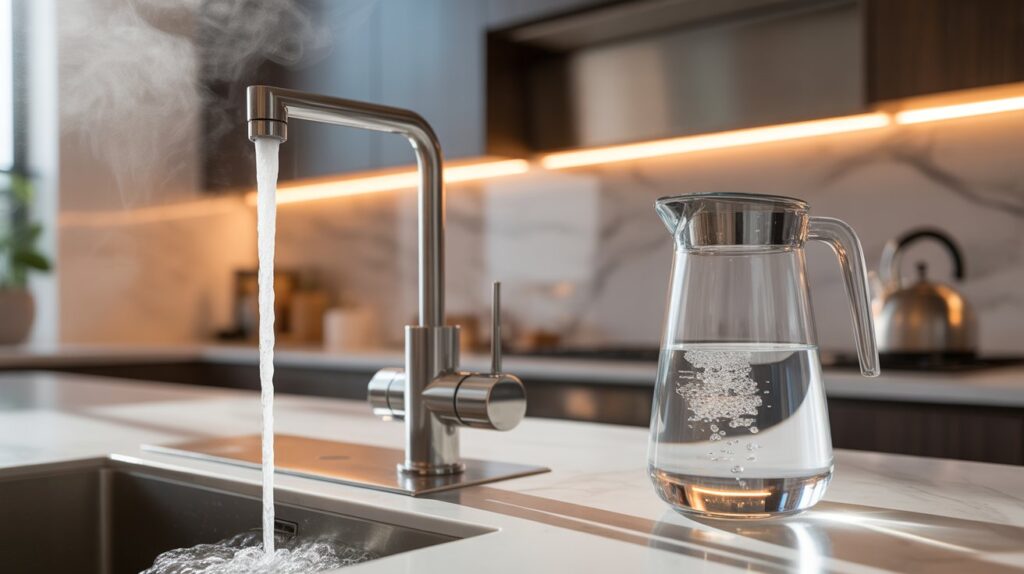
How to dechlorinate tap water is an important topic for anyone who wants safer, better-tasting, and healthier water at home. Tap water often contains chlorine or chloramine, which are added to kill harmful bacteria but can affect taste and may not be suitable for aquariums or sensitive plants. In this guide, we will explore different simple and effective methods to remove chlorine from water, including natural, chemical, and filtration options. You will learn how each method works, how fast it is, and when to use it. By the end, you will clearly understand the best way to improve your water quality based on your needs and situation.
Table of Contents
Effectiveness in Removing Chlorine
When learning how to dechlorinate tap water, the most important factor to consider is how effective each method is at actually removing chlorine. Not all techniques work equally well, and some only remove chlorine partially while others can eliminate it completely.
Boiling is one of the simplest methods. It is quite effective for removing free chlorine because heat helps the chlorine evaporate from the water. However, it does not work well for chloramine, which is a more stable compound often used in modern water treatment systems. So while boiling can be useful, it is not always a complete solution when discussing how to dechlorinate tap water.
Activated carbon filtration is one of the most reliable methods. Carbon filters, such as those used in water filter pitchers or under-sink systems, are highly effective at removing both chlorine and, in many cases, chloramine. This makes them a top choice for people who want consistent and safe results.
Letting water sit for 24 to 48 hours is another common method. This allows chlorine to naturally evaporate, but it only works for free chlorine and not for chloramine. While it is a low-cost option, it is slower and less dependable compared to filtration methods.
Chemical dechlorinators, such as vitamin C tablets or water treatment drops, are extremely effective and work almost instantly. These are commonly used in aquariums and can neutralize both chlorine and chloramine quickly. However, they may not always be the preferred choice for drinking water unless used in the correct dosage.
In summary, if your goal is to fully understand how to dechlorinate tap water, you should choose a method based on its effectiveness. Activated carbon filters and chemical treatments offer the highest reliability, while boiling and evaporation are simpler but less complete solutions.
Method Type
Understanding the different method types is essential when learning how to dechlorinate tap water, because each approach works in a completely different way. Choosing the right method depends on your needs, budget, and how quickly you want results.
There are three main types of dechlorination methods: physical, chemical, and filtration.
Physical methods include boiling and evaporation. These techniques rely on natural processes to remove chlorine from water. For example, boiling speeds up the evaporation of chlorine, while simply letting water sit allows chlorine to dissipate over time. These methods are simple and low-cost, but they are mainly effective only for free chlorine and not chloramine.
Chemical methods involve adding substances that neutralize chlorine. Common options include vitamin C (ascorbic acid) or commercial dechlorination drops. These methods are fast and highly effective, making them popular for aquariums and emergency use. When applied correctly, they are a reliable option for those researching how to dechlorinate tap water quickly.
Filtration methods, especially activated carbon filters, physically remove chlorine as water passes through the filter. This is one of the most efficient and widely used solutions. It works well for both chlorine and, in many cases, chloramine. Filtration systems can range from simple pitchers to advanced whole-house setups.
In summary, each method type has its own strengths. Physical methods are simple, chemical methods are fast, and filtration methods provide the most balanced and long-term solution. Choosing the right type is a key step in mastering how to dechlorinate tap water effectively.
If you’re upgrading your kitchen water setup, you can also explore premium options like Kohler kitchen taps for better style and water control.
Time Required
When exploring how to dechlorinate tap water, the time required for each method is an important factor. Some methods work instantly, while others need several hours or even days to fully remove chlorine.
Boiling water is one of the fastest physical methods. Once the water reaches a rolling boil, chlorine begins to evaporate quickly. In most cases, boiling for 15–20 minutes is enough to significantly reduce chlorine levels. However, this method is not effective for chloramine, which does not break down easily with heat.
Letting water sit is another common approach, but it takes much longer. Typically, tap water needs to rest for 24 to 48 hours for chlorine to naturally evaporate. This method requires no equipment, but the waiting time makes it less practical for urgent use when learning how to dechlorinate tap water.
Activated carbon filters work instantly as water passes through the system. There is no waiting time because the filtration process removes chlorine in real time. This makes it one of the most efficient time-saving solutions for daily use.
Chemical dechlorinators are also extremely fast. Products like vitamin C tablets or liquid treatment drops neutralize chlorine within seconds to minutes after mixing. This is especially useful for aquariums or emergency situations where immediate results are needed.
In conclusion, time requirements vary greatly depending on the method. If you need instant results, chemical treatments or carbon filters are best. If you prefer a natural approach, boiling or letting water sit may still be useful when learning how to dechlorinate tap water, but they require patience.
Cost
Cost is another important factor when learning how to dechlorinate tap water, especially if you plan to use a method regularly. Some solutions are almost free, while others require an initial investment or ongoing expenses.
Boiling water is essentially free since it only uses heat from your stove or kettle. However, it does increase electricity or gas usage over time, which can add a small indirect cost if you use it frequently.
Letting water sit is the cheapest method of all. It requires no equipment and no ongoing expenses. The only “cost” is time and space, since you need containers and 24–48 hours for the process to work properly.
Activated carbon filters have a higher upfront cost. A basic water filter pitcher is affordable, while advanced under-sink or whole-house systems can be more expensive. However, the long-term cost per liter of water is usually low because filters last for weeks or months before needing replacement. This makes it a cost-effective choice for people seriously researching how to dechlorinate tap water for daily use.
Chemical dechlorinators, such as vitamin C tablets or liquid drops, have a moderate ongoing cost. Each use requires a small amount of product, so expenses increase depending on how often you treat water. These are usually affordable for small-scale use, such as aquariums or emergency situations.
In summary, if budget is your main concern, letting water sit or boiling are the cheapest options. If you want long-term value and convenience, carbon filtration offers the best balance. Understanding cost differences helps you choose the right approach for how to dechlorinate tap water effectively.
Ease of Use
When learning how to dechlorinate tap water, ease of use plays a major role in choosing the right method. Some techniques are extremely simple and require no special knowledge, while others involve equipment or careful dosing.
Letting water sit is one of the easiest methods. You simply fill a container and leave it uncovered for 24–48 hours. There is no setup, no tools, and no monitoring needed. However, the long waiting time can make it inconvenient for regular use.
Boiling is also straightforward. You just heat water until it reaches a rolling boil and let it cool down. While this method is easy, it does require attention and energy, and you must wait for the water to return to a safe drinking temperature before use. Still, it remains a simple option for those researching how to dechlorinate tap water at home.
Activated carbon filters are moderately easy to use. Water filter pitchers are very user-friendly—just fill and pour. Under-sink or whole-house systems require installation, but after setup, they work automatically with no daily effort. This makes filtration a convenient long-term solution.
Chemical dechlorinators are also simple but require careful measurement. You must add the correct amount of drops or tablets to ensure safety and effectiveness. While easy to apply, incorrect dosing can reduce performance, especially in sensitive uses like aquariums.
In summary, the easiest methods are letting water sit and using filter pitchers. Boiling and chemical treatments are still simple but require more attention. Choosing based on ease of use helps you decide the best approach for how to dechlorinate tap water in your daily routine.
Equipment Needed
When understanding how to dechlorinate tap water, it’s important to know what tools or equipment each method requires. Some methods need nothing at all, while others depend on specific devices or products.
Letting water sit requires the least equipment. You only need a clean container such as a bucket, jug, or bottle. The water is simply left uncovered so chlorine can naturally evaporate.
Boiling requires basic kitchen tools like a pot, kettle, or stove. After boiling, you may also need a separate container to cool and store the water. While simple, it still depends on having access to heat and cookware.
Activated carbon filtration requires more specialized equipment. A basic option is a water filter pitcher, which includes a built-in carbon filter. More advanced setups include faucet-mounted filters, under-sink systems, or whole-house filtration units. These are highly effective tools when learning how to dechlorinate tap water for long-term use.
Chemical dechlorination requires only the treatment product itself. This can be liquid drops, tablets, or powdered vitamin C. You also need a measuring tool or dropper in some cases to ensure the correct dosage is used. While minimal in equipment, accuracy is important for safe results.
In summary, equipment needs vary widely. Some methods require almost nothing, while others need filters or treatment products. Choosing the right setup depends on your budget, convenience, and how often you need to apply how to dechlorinate tap water in daily life.
Suitability for Drinking Water
When studying how to dechlorinate tap water, it’s important to check whether each method is actually suitable for making water safe and pleasant for drinking. Not all techniques provide the same level of reliability or long-term safety.
Letting water sit is sometimes used for drinking water, but it is not always the best choice. While it can reduce free chlorine, it does not remove chloramine or other dissolved chemicals. It also leaves water exposed to dust or contamination if not covered properly. So, it is only a basic option, not a complete solution.
Boiling is generally safe for drinking water and is commonly used in households. It effectively reduces chlorine levels and kills some microorganisms. However, it does not remove dissolved chemicals or improve overall water quality beyond chlorine reduction. This makes it useful but limited when learning how to dechlorinate tap water for long-term health use.
Activated carbon filtration is one of the best options for drinking water. It not only removes chlorine but also improves taste and odor. High-quality filters can also reduce chloramine and other impurities, making the water safer and more pleasant to drink. This is why filtration is often recommended for everyday use.
Chemical dechlorinators can be used for drinking water, but they must be food-safe and correctly measured. Vitamin C-based treatments are generally considered safe, but improper dosing or low-quality products may affect taste or water balance. These are more commonly used in aquariums than regular drinking water systems.
Suitability for Aquariums & Plants
When learning how to dechlorinate tap water, one of the most important real-world uses is preparing water for aquariums and plants. Fish, aquatic life, and even some sensitive plants can be harmed by chlorine and chloramine, so choosing the right method is critical.
Letting water sit is a basic option for aquariums, but it is not very reliable. It can remove free chlorine over time, but it does not remove chloramine, which is commonly used in treated tap water. Because of this limitation, it is not recommended as the only method for fish tanks.
Boiling is also not suitable for aquariums in most cases. While it reduces chlorine, it does not remove chloramine and can also change water chemistry by affecting oxygen levels. This makes it impractical for maintaining a stable aquatic environment when applying how to dechlorinate tap water for fish care.
Activated carbon filtration is one of the best long-term solutions for aquariums and plant watering. It effectively removes chlorine and often reduces chloramine as well. It also helps improve overall water quality, making it safer for fish, aquatic plants, and hydroponic systems.
Chemical dechlorinators are the most popular choice for aquarium owners. They work instantly and neutralize both chlorine and chloramine, making tap water safe within minutes. These products are specifically designed for sensitive aquatic life, which makes them highly reliable in situations where how to dechlorinate tap water must be done quickly and safely.
For plants, most methods are acceptable, but filtration and chemical treatments provide the most consistent results. Chlorine-sensitive plants benefit greatly from fully treated water, especially in hydroponics or indoor gardening systems.
In summary, chemical dechlorinators and carbon filtration are the most suitable options for aquariums and plants. Simpler methods like boiling or letting water sit are less reliable and should only be used in basic situations.
Impact on Water Taste & Odor
Another important part of understanding how to dechlorinate tap water is how each method affects the taste and smell of water. Chlorine often gives tap water a strong chemical taste or odor, so removing it can significantly improve drinking quality.
Letting water sit can slightly improve taste and smell over time. As chlorine evaporates, the sharp chemical odor becomes weaker. However, since this method does not remove all contaminants, the improvement is limited and depends on how long the water is left standing.
Boiling can also reduce the chlorine smell and improve taste to some extent. The heat helps chlorine escape from the water, leaving it less harsh. However, boiling may sometimes make the water taste “flat” because dissolved oxygen is reduced during the process. This is an important point when learning how to dechlorinate tap water for drinking purposes.
Activated carbon filtration has the strongest positive impact on taste and odor. It removes chlorine effectively and also reduces other compounds that affect water quality. The result is cleaner, fresher-tasting water with no chemical smell. This is why many households prefer filtration systems.
Chemical dechlorinators neutralize chlorine completely, which removes the chemical taste and smell almost instantly. However, depending on the product used, there may be a slight aftertaste in some cases. High-quality, food-safe treatments usually avoid this issue.
In summary, filtration provides the best improvement in taste and odor, followed by chemical treatments. Boiling and letting water sit offer basic improvements but are less consistent. If your goal is better-tasting water, this is a key factor in choosing the right method for how to dechlorinate tap water.
Ability to Remove Chloramine
A key detail when learning how to dechlorinate tap water is understanding whether a method can remove chloramine, not just chlorine. Many modern water systems use chloramine because it is more stable and longer-lasting, so not all methods work equally well.
Letting water sit is not effective for chloramine removal. While it works slowly for free chlorine, chloramine remains in the water even after long periods of standing. This makes it unreliable for areas where chloramine is used in municipal water supplies.
Boiling also has limited effectiveness. It may reduce some chlorine over time, but chloramine is far more stable and does not break down easily with heat. Because of this, boiling alone is not a complete solution when studying how to dechlorinate tap water.
Activated carbon filtration is partially effective. Standard carbon filters can reduce some chloramine, but high-quality or catalytic carbon filters are much more effective. These advanced filters are specifically designed to break down chloramine and are widely used in home filtration systems.
Chemical dechlorinators are the most effective option for chloramine removal. Products containing vitamin C (ascorbic acid) or sodium thiosulfate can neutralize both chlorine and chloramine quickly and completely. This makes them especially useful in aquariums and emergency water treatment situations.
In conclusion, if chloramine is present in your water supply, simple methods like boiling or letting water sit will not be enough. Advanced filtration or chemical treatment is necessary for proper results. This is a crucial step in fully understanding how to dechlorinate tap water in real-world conditions.
Scalability
Scalability is an important factor when learning how to dechlorinate tap water, especially if you need to treat small amounts of water versus large quantities for a household or business use.
Letting water sit has very limited scalability. It works fine for small amounts stored in bottles or containers, but it becomes impractical when you need large volumes of water daily. You would need a lot of space and time to store and treat water properly.
Boiling is also not highly scalable. While it works well for small batches of water, boiling large quantities requires significant energy, time, and multiple containers. This makes it inefficient for whole-house or high-volume water use when applying how to dechlorinate tap water in practical settings.
Activated carbon filtration is highly scalable. Small water filter pitchers are suitable for individual use, while under-sink systems and whole-house filters can handle large volumes continuously. This makes filtration one of the most flexible and scalable solutions available.
Chemical dechlorinators are moderately scalable. They work well for small to medium volumes of water, especially in aquariums or emergency use. However, treating very large amounts of water with chemicals can become expensive and less practical over time.
In summary, filtration systems offer the best scalability, followed by chemical treatments for medium-scale needs. Boiling and letting water sit are better suited for small-scale use only. Choosing the right scale is essential when deciding how to dechlorinate tap water efficiently for your specific needs.
Environmental Impact
When exploring how to dechlorinate tap water, it’s also important to consider the environmental impact of each method. Some approaches are more eco-friendly, while others consume more energy or produce waste.
Letting water sit is the most environmentally friendly option. It requires no electricity, no chemicals, and no special equipment. The only downside is the need for storage containers, but overall it has a very low environmental footprint.
Boiling water has a moderate environmental impact. It uses gas or electricity, which contributes to energy consumption and carbon emissions. While it is effective for small amounts of water, frequent boiling can become less eco-friendly over time when learning how to dechlorinate tap water for daily use.
Activated carbon filtration is generally eco-friendly, especially compared to chemical methods. Once installed, it uses no electricity in many cases (like gravity pitchers) and produces minimal waste. However, filter cartridges do need to be replaced periodically, which creates some plastic waste and manufacturing impact.
Chemical dechlorinators have the highest environmental impact among the options. Although they are effective and fast, they involve producing and disposing of chemical products. Frequent use can also increase chemical load in wastewater, depending on usage and quantity.
In summary, letting water sit and carbon filtration are the most environmentally friendly methods. Boiling and chemical treatments have a higher environmental cost. Considering sustainability is an important part of choosing the best method for how to dechlorinate tap water in the long term.
FAQs (Frequently Asked Questions)
1. What is the easiest way to dechlorinate tap water?
The easiest way is to let tap water sit uncovered for 24–48 hours so chlorine naturally evaporates. However, this method is slow and not effective for chloramine.
2. Does boiling water remove chlorine completely?
Boiling water can remove most free chlorine by causing it to evaporate. But it is not fully effective against chloramine, which is more stable and requires filtration or chemical treatment.
3. What is the fastest method to dechlorinate tap water?
Chemical dechlorinators, such as vitamin C drops or tablets, work almost instantly and are the fastest option for removing both chlorine and chloramine.
4. Is filtered water better than boiled water for removing chlorine?
Yes, activated carbon filters are generally better because they remove chlorine continuously and improve taste, while boiling only works for free chlorine and requires energy.
5. Is dechlorinated water safe to drink?
Yes, dechlorinated water is safe to drink and often tastes better. However, the method used should be reliable, especially if your tap water contains chloramine.
6. Can plants and aquariums use tap water without dechlorination?
No, most fish and sensitive plants cannot tolerate chlorine or chloramine. Always dechlorinate water before using it in aquariums or hydroponic systems.
7. Which method is best overall for dechlorinating tap water?
Activated carbon filtration is the most balanced method because it is effective, convenient, and suitable for long-term use at home.
Conclusion of how to dechlorinate tap water
Understanding how to dechlorinate tap water is important for improving water quality for drinking, cooking, plants, and aquariums. Different methods work in different ways, so the best choice depends on your specific needs. Simple options like letting water sit or boiling can reduce chlorine, but they are not always effective against chloramine and may take time or extra energy. Activated carbon filtration is one of the most reliable and practical solutions because it improves taste, removes chlorine effectively, and works continuously. Chemical dechlorinators are also very effective, especially when fast results are needed, but they must be used carefully with proper dosing. In the end, choosing the right method depends on cost, convenience, and purpose. By comparing all options, you can easily decide the best approach for how to dechlorinate tap water in your daily life.