
Introduction
A leaking kitchen tap is one of the most common household problems, yet many people ignore it until it becomes worse. Even a small drip can waste a surprising amount of water, increase your utility bills, and damage your kitchen sink or cabinets over time. Learning how to fix a leaking kitchen tap can save you money and help prevent unnecessary plumbing issues. The good news is that most kitchen tap leaks are caused by simple problems that can be fixed without professional help. With the right tools and a clear step-by-step approach, you can handle this repair confidently at home. Whether the leak is coming from the spout, handle, or base, understanding the cause is the key to a long-lasting solution. This guide is designed to help beginners and homeowners identify the issue and fix it safely. By the end of this article, you will know exactly what to do to stop the leak and keep your kitchen tap working smoothly.
Table of Contents
Signs Your Kitchen Tap Is Leaking
One of the earliest signs of a leaking kitchen tap is a constant dripping sound, even when the tap is fully turned off. This drip may seem minor at first, but it usually indicates worn internal components that will continue to deteriorate over time. Water droplets forming at the spout or pooling in the sink area are clear signals that something is wrong and needs attention.
Another common sign is water collecting around the base of the tap or underneath the sink. This often points to damaged O-rings, loose fittings, or worn seals inside the tap body. If left unchecked, this hidden leakage can damage cabinets, cause mold growth, and weaken surrounding surfaces. Noticing moisture or stains early can help you decide how to fix a leaking kitchen tap before it becomes a bigger issue.
An unexpected increase in your water bill can also indicate a leaking kitchen tap, especially if your water usage habits have not changed. Even slow leaks waste a significant amount of water over time. Paying attention to these warning signs allows you to act quickly, reduce water waste, and prevent costly repairs in the future.
Common Causes of a Leaking Kitchen Tap
One of the most common reasons behind a leaking kitchen tap is a worn-out washer. Washers are small rubber components that create a seal inside the tap, and over time, constant use causes them to wear down or crack. When this seal is no longer tight, water begins to drip from the spout even when the tap is turned off. Identifying this issue early makes it much easier to understand how to fix a leaking kitchen tap effectively.
Another frequent cause is a damaged O-ring or cartridge. O-rings help secure the tap handle and prevent water from escaping around moving parts. When these rings loosen or break, leaks often appear near the handle or base of the tap. Cartridge-based taps can also develop leaks if the internal cartridge becomes worn or clogged with mineral deposits, especially in areas with hard water.
Corrosion and loose fittings can also lead to persistent leaks. Over time, the valve seat that connects the tap to the spout may corrode, allowing water to seep through small gaps. In some cases, vibration and regular use can loosen internal parts, causing leaks to develop gradually. Understanding these causes helps you choose the right repair method and avoid unnecessary replacements.
Tools You Will Need to Fix a Leaking Kitchen Tap
Before starting any repair, it is important to gather the right tools so the job can be completed smoothly and safely. Having everything ready will save time and prevent unnecessary damage to your kitchen tap. Most of the tools required are basic and already available in many households, making it easier to learn how to fix a leaking kitchen tap on your own.
An adjustable wrench is essential for loosening and tightening nuts without damaging the tap’s finish. Screwdrivers, both flathead and Phillips, are commonly needed to remove handles and access internal components. You will also need replacement washers, O-rings, or cartridges, depending on the type of tap you are repairing. These parts are inexpensive and widely available at hardware stores.
Additional items like plumber’s tape help create a tight seal when reassembling the tap, while a soft cloth protects the surface from scratches during the repair process. Keeping a small container nearby to hold screws and small parts can also prevent them from getting lost. With these tools prepared, you can confidently move on to the repair steps and stop the leak effectively.
Step-by-Step Guide on How to Fix a Leaking Kitchen Tap
The first step in repairing a leaking kitchen tap is to turn off the water supply. Locate the shut-off valves under the sink and close them completely to prevent water from flowing during the repair. Once the water is off, open the tap to release any remaining pressure and ensure the area is dry before you begin working. This step is crucial for safety and makes the repair process much easier.
Next, remove the tap handle using the appropriate screwdriver or Allen key, depending on the tap design. Carefully take apart the internal components, keeping them in order so reassembly is simple. Inspect the washer, O-rings, and cartridge for signs of wear, cracks, or mineral buildup. Replacing these damaged parts is often the most effective solution when learning how to fix a leaking kitchen tap at home.
After installing the new components, reassemble the tap in the reverse order and tighten all fittings securely without overtightening. Wrap plumber’s tape around threaded connections if needed to ensure a proper seal. If the water flows smoothly without dripping, the repair has been successful.
For more detailed guidance on different types of taps, check out our article on kitchen tap.
Types of Kitchen Taps and Their Specific Fixes
Different types of kitchen taps have unique internal mechanisms, which means the repair method can vary slightly for each one. Compression taps are the most traditional type and usually leak due to worn washers. Replacing the washer inside the tap often resolves the issue and is one of the simplest ways to learn how to fix a leaking kitchen tap.
Ball taps contain a rotating ball mechanism that controls water flow and temperature. Leaks in these taps are often caused by worn seals or springs inside the ball assembly. Replacing the damaged seals and springs using a repair kit can restore proper function. Although ball taps have more parts, following the correct steps makes the repair manageable for most homeowners.
Cartridge and ceramic disc taps are more modern and durable, but they can still develop leaks over time. In cartridge taps, the leak usually occurs due to a worn cartridge that needs replacement. Ceramic disc taps may leak if the discs become damaged or clogged with mineral deposits. Cleaning or replacing the cartridge is typically the best solution, ensuring a long-lasting and drip-free tap.
Tips to Prevent a Kitchen Tap from Leaking Again
Preventing future leaks is just as important as knowing how to fix a leaking kitchen tap. Regular maintenance can significantly extend the lifespan of your tap and reduce the chances of recurring problems. Simple habits like cleaning the tap and checking for minor drips help you catch issues before they turn into major repairs.
Avoid overtightening the tap handle, as excessive force can wear out washers, cartridges, and internal seals more quickly. Turning the handle gently until the water stops is enough to create a proper seal. Additionally, monitoring your home’s water pressure is important, since high pressure can put extra strain on tap components and lead to leaks over time.
Using high-quality replacement parts also plays a key role in preventing future leaks. Cheap or poorly fitting components may fail faster and cause repeated dripping. By maintaining your tap properly and using reliable parts, you can keep it functioning smoothly and reduce the need for frequent repairs.
When to Call a Professional Plumber
While many tap leaks can be handled at home, there are situations where calling a professional plumber is the safest option. If you have followed all the repair steps and the leak still persists, the problem may be more complex than a worn washer or cartridge. In such cases, understanding how to fix a leaking kitchen tap may require specialized tools or experience that a plumber can provide.
Leaks caused by severely corroded pipes, damaged valve seats, or hidden plumbing issues under the sink are often difficult to repair without professional help. Attempting to fix these problems without proper knowledge can lead to further damage and higher repair costs. A plumber can quickly diagnose the root cause and apply a long-term solution.
You should also consider hiring a professional if you are uncomfortable working with plumbing systems or do not have the necessary tools. Investing in expert assistance can save time, prevent water damage, and ensure the repair is done correctly the first time.
Cost of Repair vs Replacing a Leaking Kitchen Tap
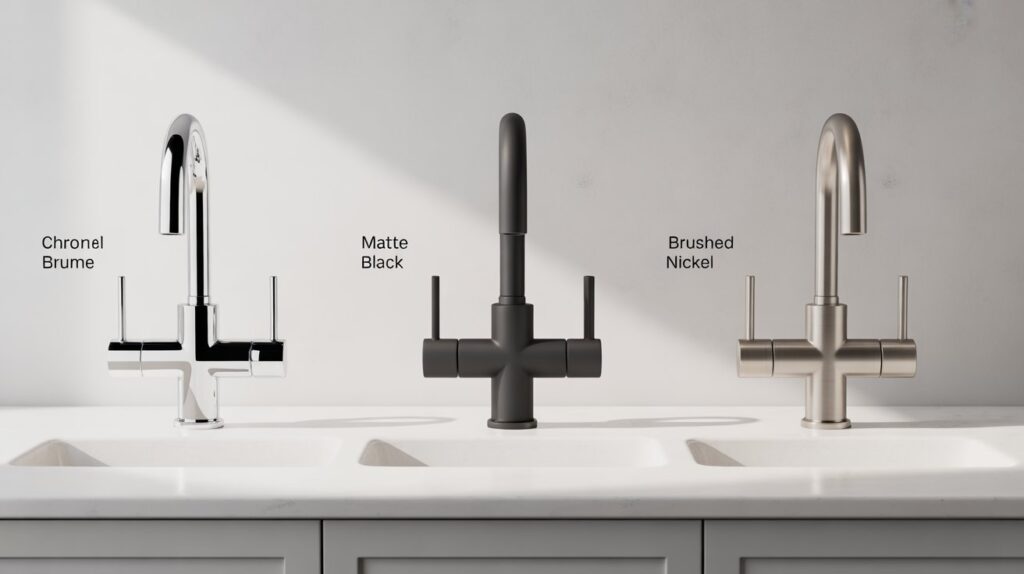
When dealing with a leaking tap, many homeowners wonder whether it is better to repair or replace it. In most cases, learning how to fix a leaking kitchen tap is far more cost-effective than buying a new one. Simple repairs like replacing washers, O-rings, or cartridges usually cost very little and can be completed within a short time using basic tools.
However, if the tap is old, heavily corroded, or leaking from multiple areas, replacement may be the smarter option. Frequent repairs can add up over time, and worn-out taps may continue to develop new problems. In such situations, installing a new tap can provide better performance, improved water efficiency, and a longer lifespan.
Comparing the cost of parts, labor, and long-term reliability helps you make the right decision. Minor leaks are almost always worth fixing, while severely damaged taps are often better replaced. Evaluating these factors ensures you choose the most practical and economical solution for your kitchen.
Frequently Asked Questions (FAQs) About Fixing a Leaking Kitchen Tap
1. How long does it take to fix a leaking kitchen tap?
Most simple repairs, like replacing washers or O-rings, take 15–30 minutes for a beginner.
2. Can I fix a leaking tap myself?
Yes, with basic tools and a step-by-step guide, most tap leaks can be fixed at home.
3. What if the leak comes from the base instead of the spout?
Leaks at the base usually mean damaged O-rings or loose fittings, which can be replaced easily.
4. Do I need special tools to repair a tap?
No, most repairs require common tools like a wrench, screwdrivers, and plumber’s tape.
5. When should I call a professional?
If the tap continues leaking after repairs or if pipes are corroded, a plumber should be called.
6. Can high water pressure cause a tap to leak?
Yes, excessive water pressure can damage internal components, leading to leaks over time.
7. Is it cheaper to repair or replace a leaking tap?
Small leaks are almost always cheaper to repair, but old or corroded taps may be more cost-effective to replace.
Conclusion
Fixing a leaking kitchen tap is a simple yet essential home repair that can save water, reduce bills, and prevent damage to your kitchen. By understanding the common causes, identifying warning signs, and using the right tools, most leaks can be repaired quickly at home. Whether your tap is a compression, ball, cartridge, or ceramic disc type, replacing worn washers, O-rings, or cartridges usually resolves the problem effectively. Regular maintenance, gentle handling, and using quality parts can prevent leaks from recurring. However, if the leak persists or the tap is severely damaged, calling a professional plumber ensures a reliable and long-lasting solution. Acting promptly not only preserves your kitchen but also supports sustainable water usage. With the guidance provided in this article, you now know exactly how to fix a leaking kitchen tap safely, efficiently, and without unnecessary expense.