
Introduction
A kitchen tap is one of the most used fixtures in any home, yet it is often chosen without understanding how much it affects daily comfort, water efficiency, and long-term maintenance. From washing dishes to preparing food, the right tap can make kitchen tasks faster, cleaner, and more convenient. Many homeowners focus only on design, but factors like water pressure compatibility, build material, and cartridge quality are equally important. Different kitchens also have different needs depending on sink size, usage frequency, and plumbing setup. Choosing the wrong option can lead to splashing, leakage, or frequent repairs over time. That is why understanding how a kitchen tap works and what features actually matter is essential before buying. In this guide, we will break down everything in a simple and practical way. The goal is to help you select a kitchen tap that performs well, lasts longer, and fits your kitchen perfectly.
Table of Contents
Types of Kitchen Tap
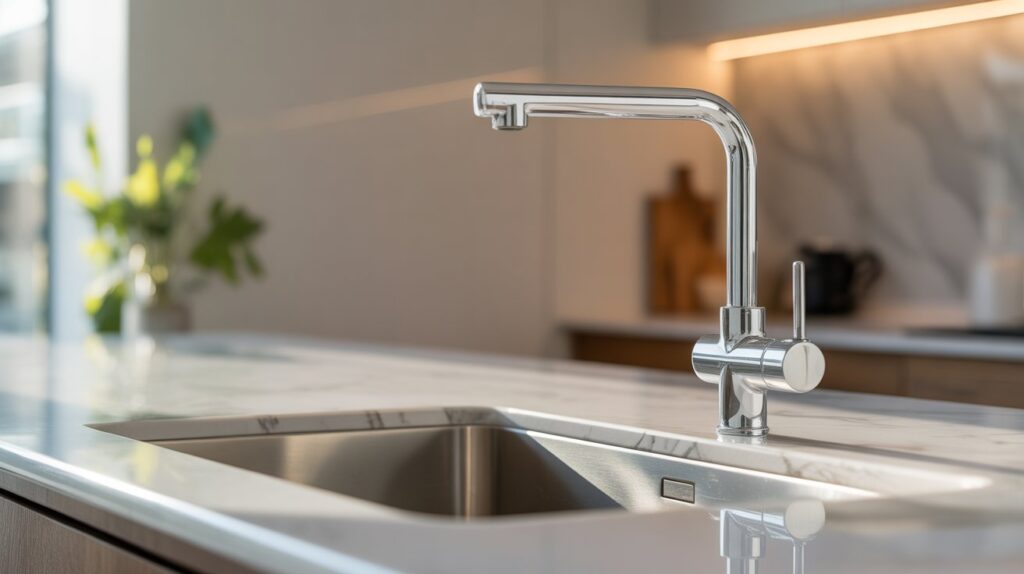
A kitchen tap comes in several types, and each one is designed to suit different kitchen layouts and usage needs. The most common type is the mixer tap, which combines hot and cold water through a single spout, making temperature control easier and more precise. Pillar taps, although less common in modern kitchens, are still used in traditional setups where hot and cold water lines are separate. Understanding these basic types helps you avoid choosing a tap that looks good but performs poorly in daily use.
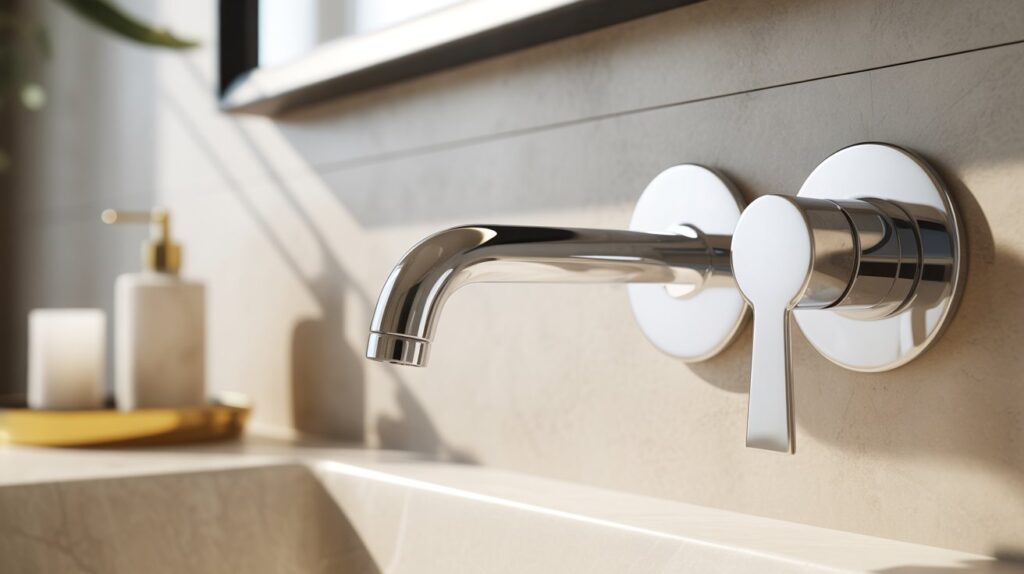
Another popular option is the pull-out or pull-down kitchen tap, which is especially useful for deep sinks and heavy cleaning tasks. These taps allow you to extend the spray head, making it easier to wash large pots, rinse vegetables, and clean sink corners. Wall-mounted taps are also used in some kitchens, particularly where counter space is limited or plumbing lines are positioned inside the wall. Each type serves a specific purpose, so selection should always match your kitchen’s practical needs.
When choosing between different types, consider how often the tap will be used, the size of your sink, and your water pressure conditions. A high-arc tap works well for large sinks, while compact kitchens benefit from simpler, low-profile designs. By selecting the right type, you reduce water splashing, improve workflow, and increase the overall lifespan of the tap.
For more information on bathroom fittings, check out our guide on Basin Pillar Tap to choose the perfect option for your washbasin.
Handle and Control Mechanism
The handle and control mechanism of a kitchen tap directly affect how comfortable and precise it is to use. Single-handle taps are the most popular choice today because they allow you to control both water flow and temperature with one hand. This makes them ideal for busy kitchens where quick adjustments are needed while cooking or washing dishes. They are also easier to operate when your hands are wet or greasy.
Double-handle tap offer more traditional styling and slightly better temperature precision, they take more time to adjust and require both hands in most cases. These taps are usually preferred in classic or vintage-style kitchens rather than modern setups. From a plumber’s point of view, single-handle mechanisms also have fewer moving parts, which reduces the chances of leakage over time.
Another important factor is the internal control system, usually a ceramic cartridge. Ceramic cartridges provide smooth operation, better sealing, and longer lifespan compared to older compression systems. When choosing a kitchen tap, always prioritize a smooth handle movement and a high-quality cartridge, as this directly impacts daily comfort and long-term reliability.
Spout Design and Reach
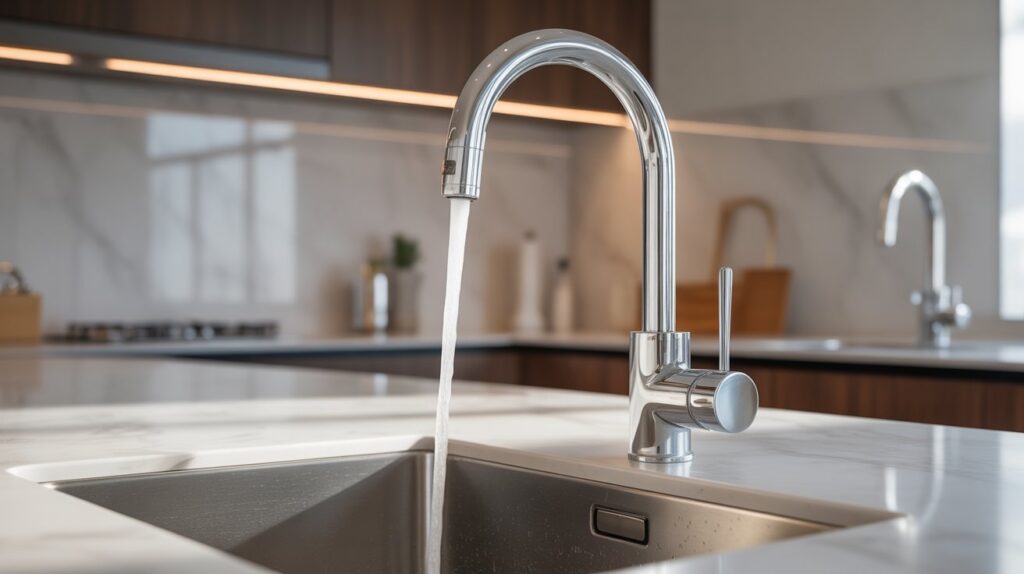
The spout design is a critical feature of a kitchen tap because it determines how easily you can perform everyday tasks. High-arc spouts provide more vertical space, making them ideal for filling large pots and washing bulky cookware. Low-arc spouts, on the other hand, are better suited for compact kitchens where space above the sink is limited and splashing needs to be controlled.
Spout reach is equally important and refers to how far the water stream extends into the sink. A tap with insufficient reach can cause water to hit the sink wall instead of the center, leading to splashing and inefficient cleaning. Swivel spouts are highly practical, especially for double-bowl sinks, as they allow you to direct water exactly where it is needed. This improves flexibility and reduces effort during cleaning tasks.
From a practical plumbing perspective, a well-designed spout improves workflow and reduces water waste. Choosing the right height and reach ensures better control, cleaner operation, and long-term comfort. Always match the spout design with your sink size and daily usage requirements to get the best performance from your kitchen tap.
Cartridge and Valve Technology
The internal cartridge and valve system is the heart of a kitchen tap, as it controls water flow, temperature mixing, and leak prevention. Modern kitchen taps mainly use ceramic disc cartridges, which are known for their smooth operation and long lifespan. These cartridges use hard ceramic plates that slide against each other, creating a tight seal that reduces dripping and wear even after years of use.
Older tap designs may still use compression or ball valve systems, but these require more maintenance and are more prone to leakage over time. From a professional plumber’s perspective, ceramic cartridges are the most reliable option because they handle frequent use and varying water pressure much better. They also allow precise temperature control, which improves safety and comfort during daily kitchen tasks.
When selecting a kitchen tap, always check the quality and availability of replacement cartridges. A good cartridge not only improves performance but also makes future repairs easier and more affordable. Investing in a tap with advanced valve technology ensures smoother operation, fewer breakdowns, and long-term peace of mind.
Material and Build Quality
The material and overall build quality determine how durable and safe a kitchen tap will be over time. High-quality taps are usually made from solid brass or stainless steel, both of which offer excellent resistance to corrosion and daily wear. Brass taps are especially popular because they are strong, long-lasting, and compatible with most water conditions found in homes. Stainless steel taps are also a good choice, particularly for modern kitchens, as they resist rust and maintain a clean appearance.
Low-quality materials, such as thin alloys or plastic components, may reduce the initial cost but often lead to problems like leakage, surface damage, and internal corrosion. From a plumber’s point of view, poor build quality is one of the main reasons taps fail prematurely. A heavy, well-finished tap usually indicates better internal components and stronger construction.
When choosing a kitchen tap, always look for smooth finishing, solid weight, and certified materials. Good build quality ensures safe water flow, longer lifespan, and fewer maintenance issues. Investing in a well-made tap saves money in the long run and provides reliable performance for everyday kitchen use.
Finish and Coating Options
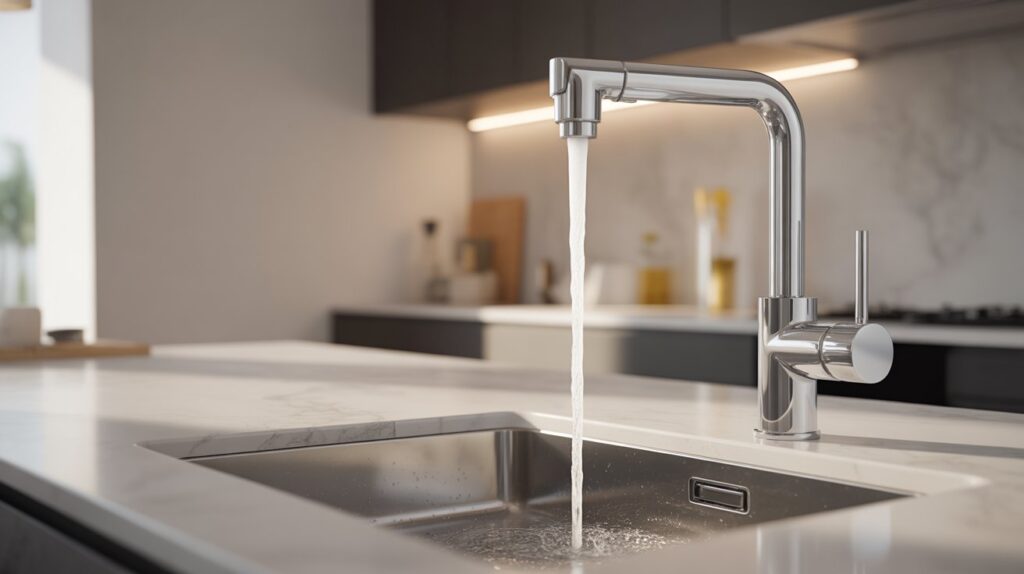
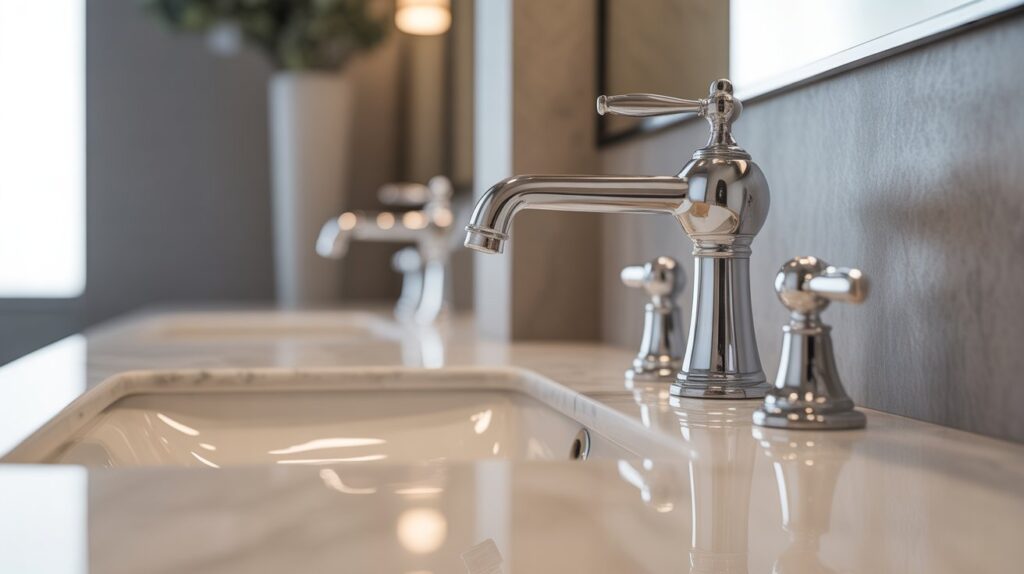
The finish and coating of a kitchen tap affect both its appearance and how well it holds up to daily use. Chrome finish is the most common choice because it is affordable, easy to clean, and matches almost any kitchen style. Matte black and brushed finishes have become popular in modern kitchens, as they offer a premium look and help hide water spots and fingerprints better than glossy surfaces.
From a durability perspective, the quality of the coating matters more than the color. Poor-quality finishes can peel, fade, or develop stains over time, especially in areas with hard water. A well-coated tap provides an extra layer of protection against moisture, scratches, and corrosion. As a plumber, I often recommend finishes that are scratch-resistant and easy to maintain, particularly for kitchens with heavy daily usage.
When selecting a finish, consider your kitchen’s overall design and how much cleaning effort you want to invest. A durable, high-quality coating not only enhances the look of your kitchen but also extends the life of your kitchen tap by protecting it from everyday wear and tear.
Water Flow and Pressure Compatibility
A kitchen tap must be compatible with your home’s water pressure to ensure smooth operation and prevent damage. Taps designed for high-pressure systems may not perform well in low-pressure kitchens, leading to weak water flow or uneven temperature mixing. Conversely, taps made for low-pressure setups can cause excessive splashing if installed on high-pressure lines.
Modern kitchen taps often come with built-in flow regulators or aerators, which help maintain a consistent water stream regardless of pressure fluctuations. These features not only improve daily usability but also contribute to water conservation. From a plumber’s perspective, ensuring that a tap matches the water pressure is critical to prevent premature wear on the cartridge, leaks, or noisy operation.
Before purchasing a kitchen tap, check the manufacturer’s specifications for recommended pressure ranges. Installing a tap suited to your water system guarantees optimal performance, a smooth flow, and long-term reliability in your kitchen.
Water-Saving Features
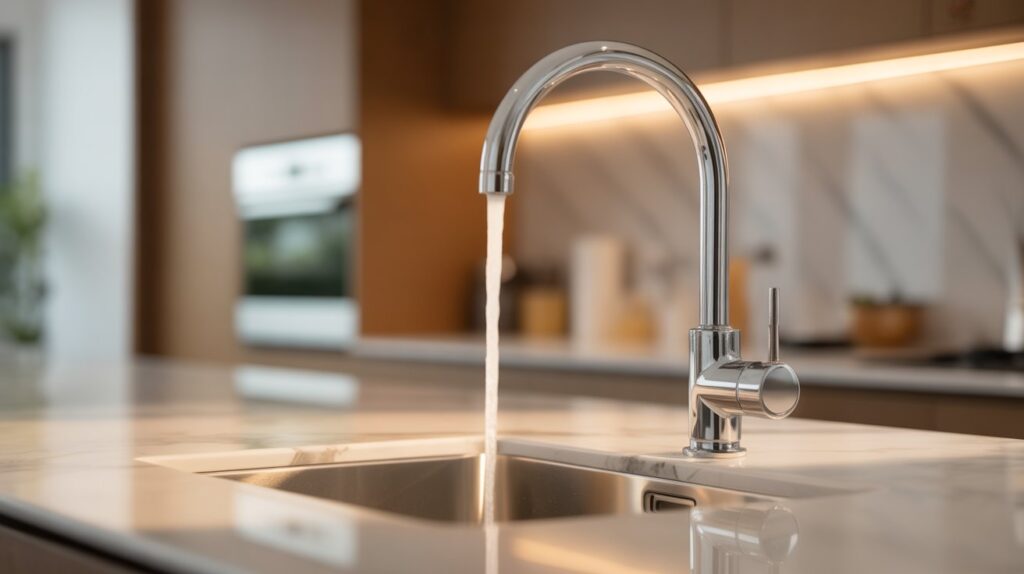
Modern kitchen taps are designed not only for convenience but also for efficient water usage. Many taps come with built-in aerators or flow restrictors that reduce water consumption without compromising performance. These features are particularly useful in areas with high water costs or low water pressure, as they help maintain a steady stream while using less water overall.
Eco-friendly kitchen taps may also include dual-flow options, allowing you to switch between a gentle stream for washing vegetables and a stronger spray for cleaning dishes. From a plumber’s perspective, these water-saving features reduce unnecessary water waste and prevent excessive wear on your plumbing system.
When choosing a kitchen tap, look for certifications like WaterSense or other water efficiency ratings. Installing a tap with water-saving features not only lowers your utility bills but also contributes to sustainable living while maintaining everyday functionality in the kitchen.
Ease of Installation
The ease of installation is an important factor when selecting a kitchen tap, especially for homeowners who prefer a DIY approach. Deck-mounted taps are generally easier to install because they require minimal plumbing adjustments and can fit most standard sinks. Wall-mounted taps, on the other hand, demand precise alignment with existing plumbing and are often best handled by a professional plumber to avoid leaks or misalignment.
Some modern kitchen taps come with flexible hoses, quick-fit connectors, and clear installation instructions, which make the process faster and less complicated. Choosing a tap with these user-friendly features can save time and reduce the risk of installation errors.
From a practical standpoint, easier installation also makes future maintenance or replacement simpler. Always consider your kitchen layout, existing plumbing, and your comfort level with basic plumbing tasks when selecting a kitchen tap. A tap that is simple to install ensures smooth operation and fewer headaches in the long run.
Durability and Lifespan
The durability and lifespan of a kitchen tap are crucial factors that determine how long it will perform efficiently without frequent repairs. High-quality taps made from solid brass or stainless steel tend to last much longer than those constructed from cheaper alloys or plastic components. The internal cartridge, whether ceramic or ball type, also plays a significant role in longevity, as it controls water flow and prevents leaks over time.
From a plumber’s perspective, investing in a durable kitchen tap reduces the likelihood of corrosion, dripping, and mechanical failures. Taps with robust construction and high-quality components can easily last 10–15 years, even with daily heavy usage. On the other hand, low-quality taps may fail within a few years, leading to costly replacements and plumbing repairs.
When choosing a kitchen tap, always prioritize build material, cartridge quality, and manufacturer reputation. A durable tap not only ensures consistent performance but also provides peace of mind and long-term value for your kitchen.
Maintenance and Repair
Proper maintenance and ease of repair are essential considerations for any kitchen tap. Taps that are easy to disassemble, with accessible cartridges and replaceable parts, save both time and money in the long run. Modern ceramic cartridge taps, for example, are designed for minimal maintenance and can often be repaired without replacing the entire tap.
Low-quality or overly complex taps, however, may require professional assistance even for minor issues like leaks or a dripping spout. From a plumber’s perspective, choosing a tap with readily available spare parts and a simple internal mechanism is key to ensuring long-term usability. Regular cleaning of the aerator and surface, along with occasional inspection of seals, can prevent common problems and extend the lifespan of the tap.
Selecting a kitchen tap that is easy to maintain ensures smooth operation, reduces the risk of leaks, and makes future repairs more straightforward. This ultimately provides a better user experience and keeps your kitchen functional with minimal hassle.
Hygiene and Daily Use Comfort
The design of a kitchen tap significantly affects hygiene and overall comfort during daily use. Taps with smooth surfaces and minimal crevices are easier to clean, reducing the buildup of grime, limescale, and bacteria. Pull-out or pull-down spouts add flexibility, allowing you to rinse vegetables, dishes, and sink corners efficiently, which improves kitchen hygiene.
From a practical standpoint, features like splash control, ergonomic handles, and swivel spouts enhance comfort during everyday tasks. A tap that delivers a steady stream without splashing keeps countertops dry and reduces cleaning effort. Additionally, taps made from corrosion-resistant materials maintain a clean appearance over time, contributing to a healthier kitchen environment.
Prioritizing hygiene and user-friendly design ensures that your kitchen tap not only performs well but also supports a clean, safe, and convenient cooking and cleaning routine every day.
Price Range and Value for Money
The price of a kitchen tap varies widely depending on material, design, features, and brand. Budget-friendly taps may cost less initially but often use lower-quality materials and cartridges, which can lead to frequent repairs or early replacement. Mid-range taps usually strike a balance between durability, performance, and aesthetics, making them a practical choice for most households. Premium taps offer advanced features, stylish finishes, and superior build quality, ideal for modern kitchens or heavy daily use.
From a plumber’s perspective, the best value for money is a tap that combines solid materials, a reliable cartridge, and ease of maintenance without unnecessary frills. Investing slightly more upfront in a durable tap can save significant costs in repairs and replacements over time. When comparing kitchen taps, always consider long-term performance and daily convenience alongside the initial price to ensure you get the most value from your purchase.
Best Use Case
Selecting the right kitchen tap also depends on the specific needs of your kitchen and how it is used daily. For small kitchens, compact taps with low-arc spouts help save space and prevent water splashing. Larger kitchens or deep sinks benefit from high-arc, swivel, or pull-out taps, which make washing large pots and pans easier.
Heavy-use kitchens, such as those in homes with frequent cooking or large families, require taps with durable cartridges, strong build materials, and water-saving features to handle constant operation without wear. Conversely, for occasional use or secondary kitchens, a simpler, budget-friendly tap may suffice.
By matching the tap type, spout design, and features to your kitchen’s size, usage frequency, and plumbing setup, you can ensure maximum efficiency, comfort, and longevity. Choosing the right use case improves daily workflow, prevents damage, and provides a smooth kitchen experience every time.
FAQs
Q1: What is the best type of kitchen tap for a modern kitchen?
A1: A single-handle mixer or pull-out tap is ideal for modern kitchens.
Q2: How do I know if a kitchen tap fits my water pressure?
A2: Check the manufacturer’s recommended pressure range before buying.
Q3: Are wall-mounted kitchen taps better than deck-mounted taps?
A3: Wall-mounted taps save counter space but need professional installation.
Q4: How often should I replace the cartridge in a kitchen tap?
A4: Ceramic cartridges typically last 5–10 years, depending on usage.
Q5: Do water-saving kitchen taps affect cleaning performance?
A5: No, quality water-saving taps maintain strong flow while using less water.
Conclusion
Choosing the right kitchen tap is more than just picking a design that looks good; it directly affects the efficiency, hygiene, and convenience of your kitchen. A high-quality tap improves workflow, makes washing dishes and cleaning vegetables easier, and helps manage water usage effectively. Key factors such as type, mounting style, handle mechanism, spout design, material, cartridge quality, and pressure compatibility should all be considered before making a purchase. A tap with durable materials and a reliable cartridge ensures long-term performance, reduces leaks, and minimizes maintenance issues. Water-saving features like aerators help lower utility bills without compromising functionality, while ergonomic handles and swivel spouts enhance daily comfort. Proper installation and the availability of replacement parts further contribute to a hassle-free experience.