
Introduction
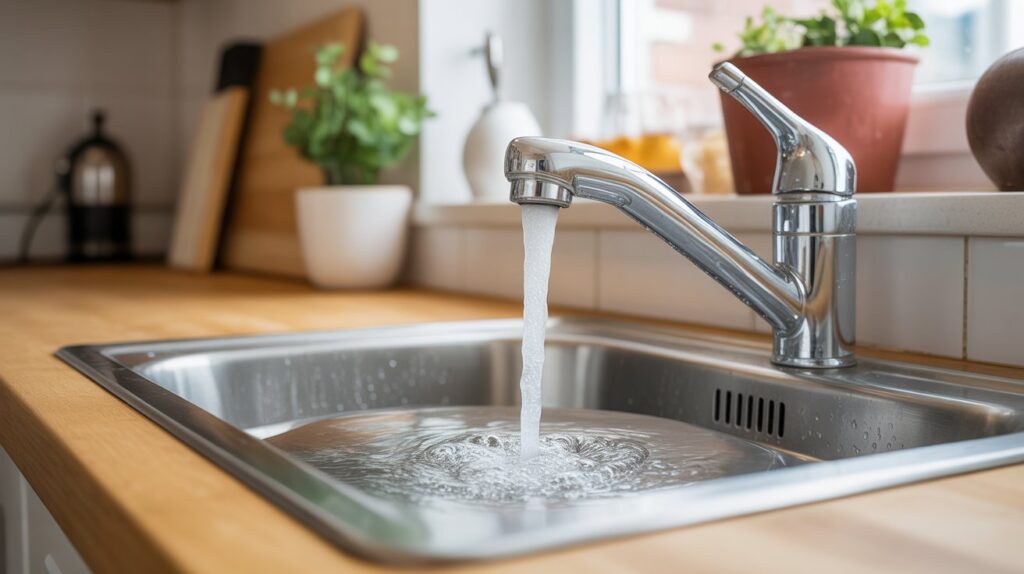
Water pressure plays a key role in how well a faucet works in your home. When the flow is too weak, daily tasks become slow and frustrating. When it’s too strong, it can damage plumbing fixtures over time. Water pressure problems in faucet are common in both old and new homes, and they can be caused by anything from minor blockages to larger plumbing issues. Understanding why these problems happen is the first step toward fixing them quickly and preventing costly repairs. In this guide, we’ll break down the most common causes, comparisons, and solutions so you can restore smooth and consistent water flow with confidence.
Table of Contents
Common Types
Water pressure problems in faucet can appear in several different ways, and identifying the exact type is essential for choosing the right solution. One of the most frequent issues homeowners face is low water pressure, where water flows slowly from the faucet. This problem often occurs due to a clogged aerator, mineral deposits caused by hard water, partially closed shut-off valves, or aging pipes that restrict water flow over time. Low pressure not only affects convenience but can also indicate deeper plumbing concerns.
Another common issue is high water pressure, which may seem beneficial at first but can actually cause long-term damage. Excessive pressure can lead to splashing, noisy faucets, and increased wear on internal components such as washers and cartridges. If left untreated, high pressure can shorten the lifespan of the faucet and increase the risk of leaks or pipe damage.
Some households also experience fluctuating water pressure, where the water flow changes unexpectedly during use. This usually happens when multiple fixtures are running at the same time, or when there are problems with the pressure regulator or the main water supply. Fluctuating pressure can make daily tasks frustrating and may signal an imbalance within the plumbing system. Understanding these common types of water pressure problems helps homeowners diagnose issues early and avoid costly repairs.
Hot Water vs Cold water
In many homes, water pressure problems in faucet affect either the hot water or cold water line, but not both. When cold water flows normally but hot water pressure is low, the issue is often related to the water heater. Sediment buildup inside the heater tank can restrict water flow, especially in areas with hard water. A partially closed hot water valve or clogged hot water pipe can also reduce pressure at the faucet.
On the other hand, if hot water pressure is strong while cold water pressure is weak, the problem is usually found in the cold water supply line. Common causes include blocked aerators, debris trapped inside the faucet cartridge, or a shut-off valve that is not fully open. These issues limit water flow and create noticeable pressure differences at the faucet.
When both hot and cold water pressure are low, the cause is more likely related to the main water supply or household plumbing system. This could include pipe corrosion, pressure regulator problems, or municipal water supply limitations. Comparing hot and cold water pressure is a simple but effective way to narrow down the source of the problem and decide whether a quick fix or professional inspection is needed.
Faucet-Specific vs Whole-House
When dealing with water pressure problems in faucet, it is important to determine whether the issue is limited to one faucet or affects the entire house. Faucet-specific pressure problems usually indicate a localized issue. Common causes include a clogged aerator, worn-out cartridge, debris inside the faucet body, or partially closed shut-off valves beneath the sink. These problems are often easy to fix and do not require major plumbing work.
Whole-house water pressure problems, however, point to a broader issue within the plumbing system or the main water supply. If multiple faucets and fixtures throughout the home have low or inconsistent pressure, the cause could be a faulty pressure regulator, corroded pipes, or problems with the municipal water supply. In some cases, maintenance work or high water demand in the area can temporarily reduce pressure for the entire household.
Understanding the difference between faucet-specific and whole-house issues helps prevent unnecessary repairs. Checking one faucet against others is a quick diagnostic step that can save time and money. If only one faucet is affected, a simple cleaning or part replacement is often enough. If the problem is widespread, professional inspection may be required to protect your plumbing system from long-term damage.
For a better understanding of how faucets operate, check out our detailed guide on How Does a Water Tap Work
Old Faucets vs New Faucets Performance
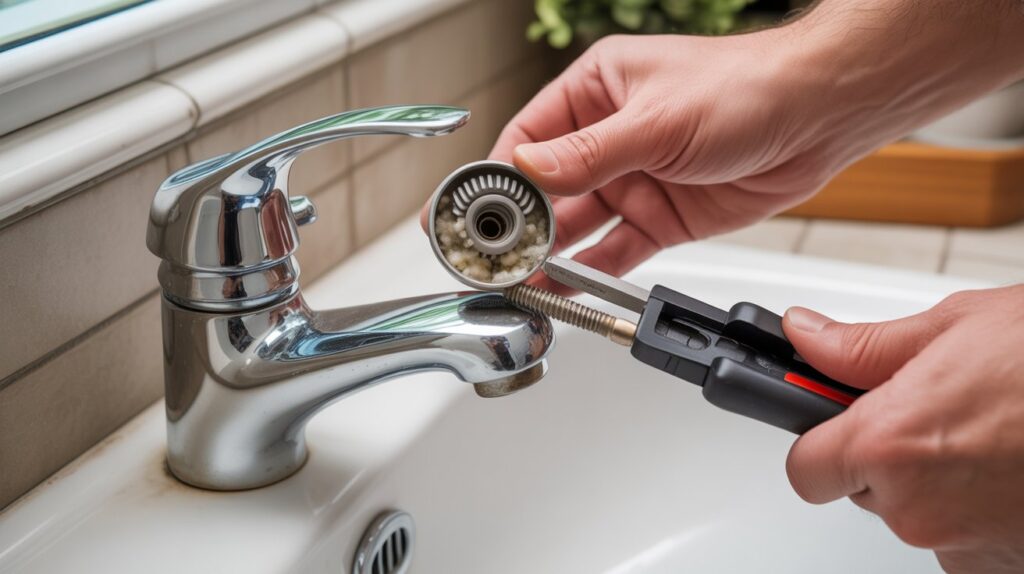
The age of a faucet plays a significant role in water pressure problems in faucet. Older faucets are more likely to suffer from reduced water flow due to internal wear and tear. Over time, mineral deposits, rust, and debris can build up inside the faucet body, cartridges, and valves. These blockages restrict water flow and cause noticeable drops in pressure, even when the main water supply is functioning properly.
Newer faucets, on the other hand, are designed with improved internal components that allow smoother and more efficient water flow. Modern cartridges and valve systems reduce friction and are less prone to clogging. However, some new faucets are built with water-saving features that intentionally limit flow. While these designs help conserve water, they can sometimes be mistaken for low pressure, especially when compared to older, high-flow models.
Comparing old and new faucets helps homeowners decide whether repair or replacement is the better option. If an old faucet requires frequent cleaning or part replacement, upgrading to a newer model may provide more consistent performance and reduce long-term maintenance. Understanding how faucet age affects pressure can prevent ongoing frustration and improve daily water usage.
Aerator Blockage vs Internal Faucet Clogging
One of the most common causes of water pressure problems in faucet is blockage, which can occur either at the aerator or inside the faucet itself. The aerator is the small mesh screen located at the tip of the faucet. Its purpose is to control water flow and reduce splashing, but over time it can collect mineral deposits, dirt, and debris. When the aerator becomes clogged, water pressure drops noticeably, even though the plumbing system may be working normally.
Internal faucet clogging is a more complex issue and usually develops gradually. Sediment, rust particles, and mineral buildup can accumulate inside the faucet cartridge or valve assembly. This type of blockage restricts water flow from within, making the pressure problem harder to detect and fix. Unlike aerator issues, internal clogging often requires partial disassembly of the faucet or replacement of worn components.
Comparing aerator blockage with internal faucet clogging helps determine the quickest and most effective solution. Aerator problems are easy to fix and can often be resolved by cleaning or replacing the aerator. Internal clogging, however, may require more time, tools, or professional assistance. Identifying the correct source of blockage is essential to resolving pressure issues without unnecessary repairs.
Aerator Blockage vs Internal Faucet Clogging
One of the most common causes of water pressure problems in faucet is blockage, which can occur either at the aerator or inside the faucet itself. The aerator is the small mesh screen located at the tip of the faucet. Its purpose is to control water flow and reduce splashing, but over time it can collect mineral deposits, dirt, and debris. When the aerator becomes clogged, water pressure drops noticeably, even though the plumbing system may be working normally.
Internal faucet clogging is a more complex issue and usually develops gradually. Sediment, rust particles, and mineral buildup can accumulate inside the faucet cartridge or valve assembly. This type of blockage restricts water flow from within, making the pressure problem harder to detect and fix. Unlike aerator issues, internal clogging often requires partial disassembly of the faucet or replacement of worn components.
Comparing aerator blockage with internal faucet clogging helps determine the quickest and most effective solution. Aerator problems are easy to fix and can often be resolved by cleaning or replacing the aerator. Internal clogging, however, may require more time, tools, or professional assistance. Identifying the correct source of blockage is essential to resolving pressure issues without unnecessary repairs.
Water Supply Valve Issues
Another common cause of water pressure problems in faucet is related to the water supply valves. Every faucet has shut-off valves located beneath the sink that control the flow of water. If these valves are not fully open, even slightly, water flow can be restricted, causing low pressure at the faucet. Over time, valves can also become stiff or partially blocked due to mineral buildup or corrosion, reducing the amount of water reaching the faucet.
In addition to individual faucet valves, the main water supply valve in your home plays a crucial role in overall water pressure. If the main valve is partially closed, pressure issues can affect multiple faucets and fixtures simultaneously. Sometimes homeowners unknowingly reduce flow while performing maintenance or repairs, leaving the valve partially closed for an extended period.
Regularly checking and fully opening both the main water supply valve and faucet-specific shut-off valves can prevent unnecessary water pressure problems in faucet. In cases where valves are old or damaged, replacement may be the most effective solution to restore consistent water flow.
Sediment & Mineral Buildup Effects
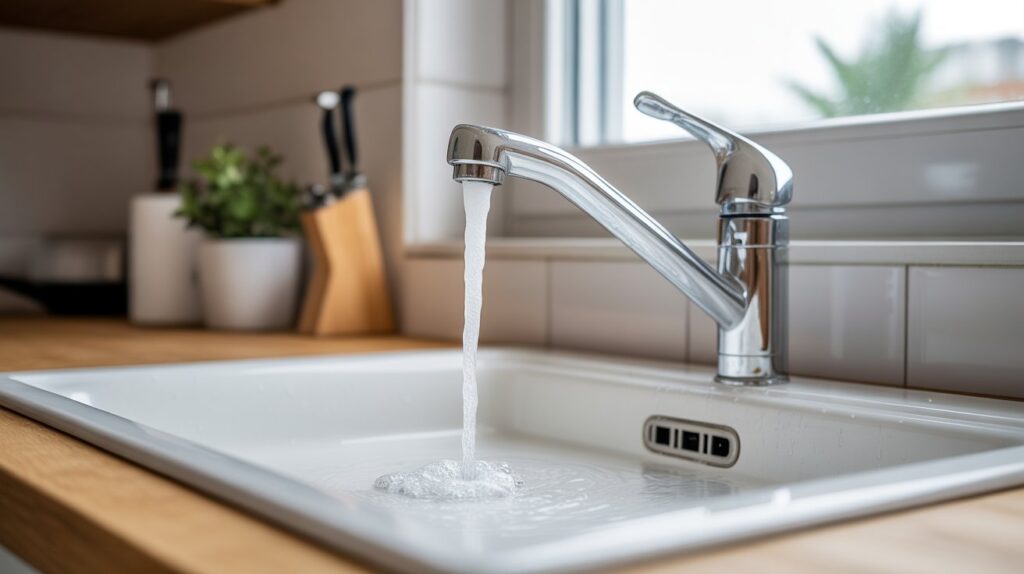
One of the leading causes of water pressure problems in faucet is sediment and mineral buildup inside the plumbing system. Homes with hard water often experience high levels of calcium, magnesium, and other minerals that gradually accumulate in pipes, valves, and faucet cartridges. Over time, these deposits can narrow the internal pathways, significantly reducing water flow and creating noticeable pressure issues.
Sediment and mineral buildup not only lower water pressure but can also cause irregular flow, noise, and damage to the faucet’s internal components. Aerators and faucet cartridges are particularly vulnerable, as even small blockages can restrict water more than one might expect. In some cases, the buildup can extend beyond the faucet, affecting multiple fixtures in the home and making troubleshooting more complex.
Regular maintenance, such as cleaning aerators, flushing faucets, or using water softening solutions, can prevent or reduce the impact of sediment and mineral buildup. Identifying this cause early is essential, as ignoring it may lead to persistent water pressure problems in faucet and costly repairs or replacements down the line.
Municipal Water Supply Problems vs Home Plumbing Issues
When investigating water pressure problems in faucet, it is important to determine whether the issue originates from the municipal water supply or from your home plumbing system. Sometimes, low or inconsistent faucet pressure is not caused by anything inside your home at all. Municipal water supply issues, such as maintenance work, high demand during peak hours, or temporary pressure reductions, can affect all homes in the neighborhood. In these cases, multiple faucets and even outdoor spigots may experience reduced flow simultaneously.
Home plumbing issues, however, are localized and typically affect individual fixtures. Problems such as clogged pipes, aging plumbing materials, faulty pressure regulators, or partially closed valves are common causes. Unlike municipal supply issues, these problems require inspection and maintenance inside the home to restore proper faucet pressure.
By comparing municipal water supply problems with internal plumbing issues, homeowners can quickly narrow down the source of water pressure problems in faucet. This distinction helps decide whether the solution is temporary, such as waiting for the water supply to stabilize, or permanent, such as repairing or upgrading household plumbing.
Bathroom Faucet vs Kitchen Faucet Pressure Problems
Water pressure problems in faucet can vary depending on whether the issue occurs in the bathroom or kitchen. Bathroom faucets often have smaller aerators and shorter pipe runs, making them more sensitive to minor blockages or mineral buildup. Even slight debris or sediment can noticeably reduce pressure in bathroom sinks, especially when multiple fixtures are running at the same time.
Kitchen faucets, on the other hand, typically have larger spouts and may include pull-out or pull-down spray features. These designs can mask minor pressure issues, but they are also more prone to internal clogging due to accumulated food particles, soap residue, or hard water deposits. Additionally, kitchen faucets are often used more heavily, which can make pressure fluctuations more noticeable if the plumbing system is already under strain.
Understanding the differences between bathroom and kitchen faucet pressure problems helps homeowners identify the source more accurately. If pressure issues are isolated to a bathroom faucet, cleaning the aerator or checking shut-off valves may be enough. If the problem affects a kitchen faucet or multiple fixtures, it may indicate a broader plumbing issue requiring professional attention.
Water Pressure Regulator Problems
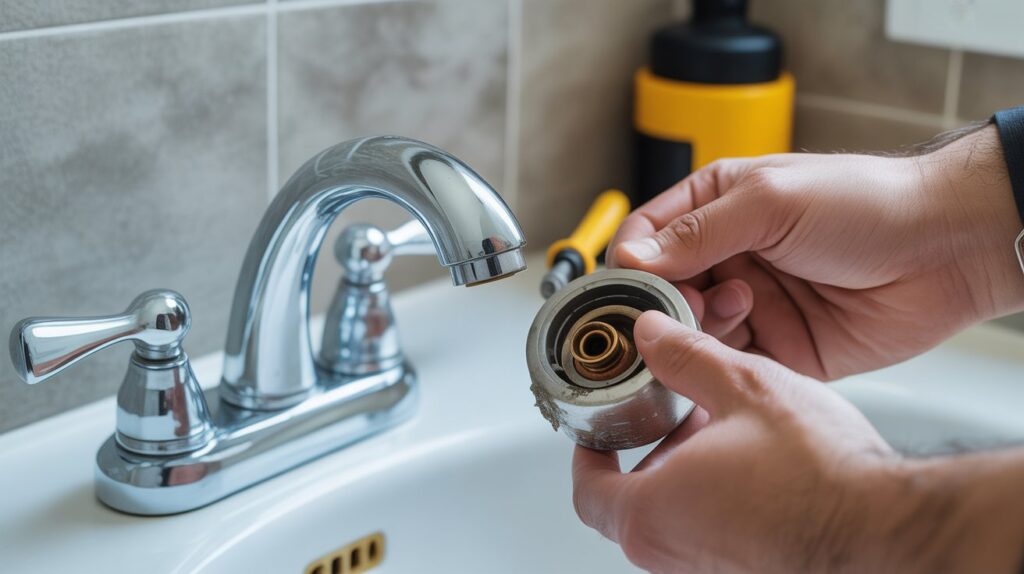
A faulty or improperly adjusted pressure regulator can be a major cause of water pressure problems in faucet. The water pressure regulator is designed to maintain consistent pressure throughout the home’s plumbing system, protecting pipes and fixtures from damage caused by excessively high pressure. When the regulator malfunctions, water pressure can fluctuate, drop unexpectedly, or become too high, affecting one or multiple faucets.
Common signs of a regulator problem include sudden changes in water flow, noisy pipes, and inconsistent pressure between hot and cold water lines. Over time, a worn-out regulator can cause long-term damage to plumbing fixtures, including faucets, showerheads, and valves. In some cases, mineral buildup or debris can interfere with the regulator’s operation, reducing water flow and creating low-pressure conditions at faucets.
Checking and maintaining the water pressure regulator is essential for preventing persistent water pressure problems in faucet. In most cases, adjusting or replacing the regulator restores consistent water flow and helps protect the plumbing system from further issues. If you are unsure whether the regulator is causing the problem, consulting a professional plumber is recommended.
Seasonal Changes Affecting Faucet Water Pressure
Water pressure problems in faucet can sometimes be influenced by seasonal changes in water supply. During certain times of the year, such as summer or periods of high water demand, municipal water pressure can drop temporarily, affecting the flow from faucets. Similarly, winter months can cause pipes to contract in cold climates, slightly restricting water flow, especially in older plumbing systems.
Hard water areas may also experience more noticeable mineral buildup during certain seasons, which can further reduce faucet pressure. For example, increased use of irrigation systems in summer can lower overall pressure in the household plumbing, while winter sediment accumulation inside water heaters or pipes can restrict hot water flow.
Understanding how seasonal changes impact water pressure helps homeowners identify whether the problem is temporary or requires maintenance. In many cases, simple adjustments, cleaning aerators, or checking valves can restore normal flow. Recognizing seasonal patterns ensures that water pressure problems in faucet are addressed efficiently without unnecessary repairs.
DIY Fixes vs Professional Plumbing Solutions
When dealing with water pressure problems in faucet, homeowners often face the decision of attempting a DIY fix or calling a professional plumber. Simple issues like a clogged aerator, partially closed shut-off valves, or minor debris inside the faucet can usually be resolved with basic tools and household knowledge. Cleaning or replacing aerators, tightening valves, and flushing the faucet are effective DIY solutions for these common problems.
More complex issues, however, such as corroded pipes, malfunctioning pressure regulators, or internal faucet blockages, often require professional attention. Attempting advanced repairs without proper experience can cause additional damage and increase repair costs. A licensed plumber can diagnose the problem accurately, provide permanent solutions, and ensure that faucet performance is restored safely.
Comparing DIY fixes with professional plumbing solutions helps homeowners save both time and money. Understanding the severity and complexity of the water pressure problems in faucet allows for the right choice between a simple home remedy and professional intervention, ensuring consistent water flow and long-lasting faucet performance.
Short-Term Fixes vs Long-Term Solutions
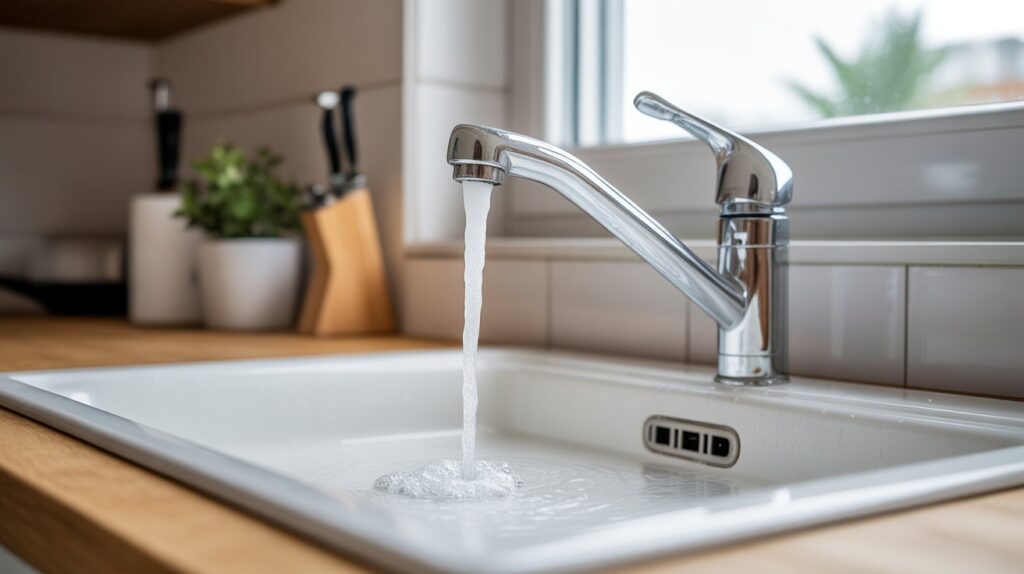
When addressing water pressure problems in faucet, it’s important to distinguish between short-term fixes and long-term solutions. Short-term fixes are quick remedies designed to restore water flow temporarily. These include cleaning clogged aerators, adjusting shut-off valves, or flushing out debris from the faucet. While these methods can improve pressure immediately, they may not fully address the underlying cause, and the problem may recur if deeper issues are left unresolved.
Long-term solutions, on the other hand, target the root of the problem. This may involve replacing old or corroded pipes, upgrading a faulty pressure regulator, installing water softeners to prevent mineral buildup, or replacing worn faucet cartridges and components. Long-term approaches are often more costly upfront but provide lasting results, preventing repeated low-pressure issues and protecting the plumbing system.
Choosing between short-term and long-term solutions depends on the severity and source of the water pressure problems in faucet. For minor blockages or temporary municipal supply issues, short-term fixes may suffice. For persistent or widespread problems, investing in long-term solutions ensures consistent water flow and avoids frequent repairs.
Repair Cost vs Faucet Replacement Cost
When facing water pressure problems in faucet, homeowners often weigh the cost of repairing the faucet versus replacing it entirely. Minor issues like a clogged aerator, worn-out washers, or loose connections can usually be repaired at a low cost. DIY repairs or professional fixes for these small problems are often economical and restore normal water flow without the need for a full replacement.
However, in cases where faucets are old, corroded, or have repeated internal blockages, replacement may be the more cost-effective long-term solution. Modern faucets come with improved designs, durable materials, and water-saving features that reduce the likelihood of future water pressure problems in faucet. While the upfront cost is higher, replacement can prevent recurring repairs, improve performance, and even enhance the overall look of the sink area.
Comparing repair costs with replacement costs helps homeowners make informed decisions based on the age of the faucet, severity of the issue, and budget. Understanding this balance ensures that faucet maintenance is both practical and efficient, restoring consistent water pressure while avoiding unnecessary expenses.
FAQs About Water Pressure Problems in Faucet
Q1: What are the most common causes of water pressure problems in faucet?
A: The most common causes include clogged aerators, internal faucet blockages, sediment or mineral buildup, partially closed valves, faulty pressure regulators, and issues with the main water supply. Identifying the specific cause is key to fixing the problem effectively.
Q2: How can I tell if the water pressure problem is specific to my faucet or the whole house?
A: Test multiple faucets in your home. If only one faucet is affected, the issue is likely local to that fixture, such as a clogged aerator or internal valve problem. If multiple faucets show low pressure, the problem may be related to your plumbing system or municipal water supply.
Q3: Can I fix water pressure problems in faucet myself?
A: Simple issues like cleaning a clogged aerator, adjusting shut-off valves, or replacing worn washers can often be fixed DIY. However, more complex problems, such as corroded pipes or faulty pressure regulators, may require professional plumbing assistance.
Q4: Does faucet age affect water pressure?
A: Yes, older faucets are more prone to corrosion, mineral buildup, and worn components, which can restrict water flow. Replacing old faucets with modern, efficient models can improve water pressure and prevent future problems.
Q5: How does hard water affect faucet pressure?
A: Hard water contains minerals like calcium and magnesium that can build up in pipes, valves, and faucet components. Over time, this buildup can reduce water flow, creating noticeable pressure problems in faucets.
Q6: When should I replace a faucet instead of repairing it?
A: If the faucet is old, repeatedly clogged, or has internal damage that requires frequent repairs, replacement is often the more cost-effective and long-term solution. Modern faucets also offer improved durability and water efficiency.
Conclusion
Water pressure problems in faucet are a common issue that can disrupt daily activities and cause frustration in any home. These problems may stem from simple causes like clogged aerators, partially closed valves, or sediment buildup, or from more complex issues such as faulty pressure regulators and aging pipes. Understanding the type of problem, whether it affects a single faucet or the entire household, and comparing short-term fixes versus long-term solutions is essential for effective repair. By identifying the root cause and taking the right action—whether through DIY fixes, professional plumbing, or faucet replacement—homeowners can restore consistent water flow, improve faucet performance, and prevent future plumbing headaches.