
Introduction
Understanding how does a water tap work is more useful than most people realize. Every time you turn a tap on or off, a simple but well-designed mechanism controls water flow, pressure, and temperature behind the scenes. Whether you’re dealing with a dripping tap, planning a replacement, or just curious about household plumbing, knowing how a water tap works helps you make better decisions and spot problems early. In this guide, we’ll break down the working process of a water tap in a clear, easy-to-understand way—no technical background required.
Table of Contents
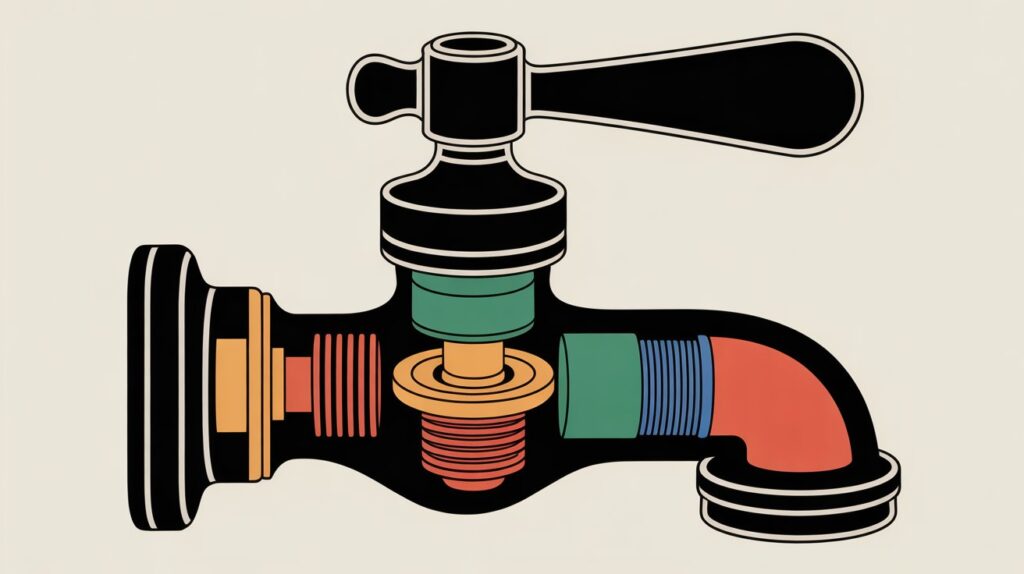
Basic Components of a Water Tap
To clearly understand how does a water tap work, it’s important to know the basic components inside a tap. Each part has a specific role in controlling water flow and preventing leaks. Below are the main components explained in a simple and easy way.
1. Handle
The handle is the part you turn or lift to operate the tap. When you move the handle, it activates the internal mechanism that opens or closes the valve, allowing water to flow or stop. The handle directly controls how a water tap works in daily use.
2. Cartridge or Valve
The cartridge (or valve) is the core working component inside the tap. It regulates the water flow and temperature. When the handle is turned, the cartridge moves to align or block water passages, which explains a major part of how does a water tap work internally.
3. Washer or Ceramic Discs
Washers or ceramic discs create a tight seal inside the tap. Their main job is to stop water when the tap is turned off. A worn-out washer is one of the most common reasons taps start dripping.
4. Valve Seat
The valve seat connects the tap to the water supply pipe. It works together with the washer to control water flow. Damage to the valve seat can cause leaks even if other parts are working properly.
5. Spout
The spout is the outlet where water flows out. While it doesn’t control the mechanism, it directs the water safely into the sink or basin.
6. Aerator
The aerator is fitted at the end of the spout. This small part improves efficiency without affecting how does a water tap work overall.
Understanding these basic components makes it much easier to see how a water tap works as a complete system and helps identify problems when something goes wrong.
How Does a Water Tap Work? (Step-by-Step Process)
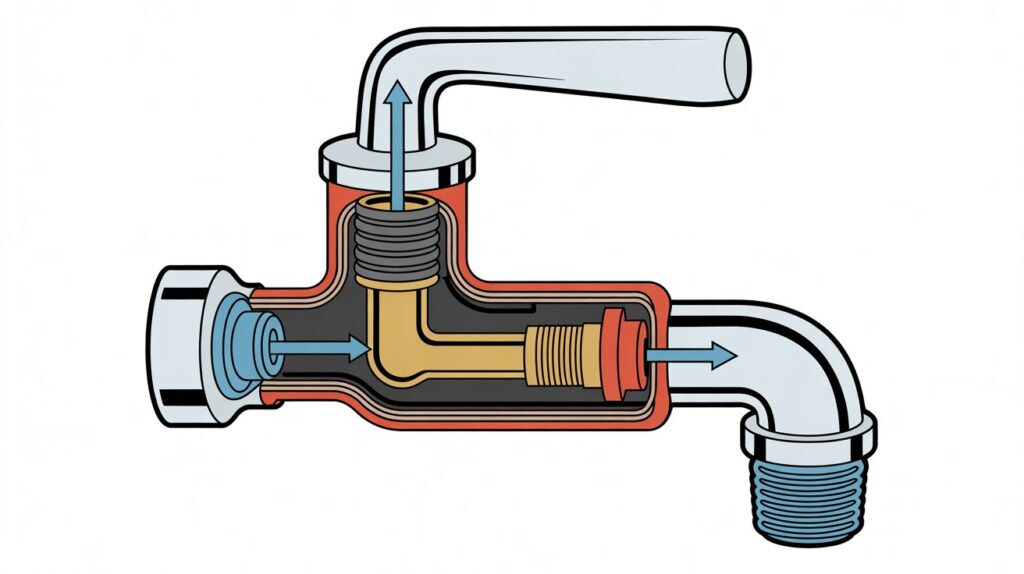
To fully understand how does a water tap work, it helps to look at what happens inside the tap from the moment you turn the handle. Although designs may vary, the basic working process is almost the same for most taps.
Step 1: Turning the Handle
When you turn or lift the handle, you apply mechanical force to the internal cartridge or valve. This action starts the process of opening the water pathway inside the tap.
Step 2: Valve or Cartridge Activation
As the handle moves, the cartridge or valve shifts position. This movement either opens or closes the internal ports that control water flow. This step is the key mechanism that explains how does a water tap work in simple terms.
Step 3: Water Enters the Tap Body
Once the valve opens, pressurized water from the supply pipe enters the tap body. The amount of water allowed in depends on how far the handle is turned.
Step 4: Flow Regulation
The cartridge regulates the volume and, in mixer taps, the temperature of the water. This ensures smooth and controlled water delivery rather than sudden bursts.
Step 5: Water Passes Through the Spout
The water then travels upward through the tap body and exits through the spout. At this stage, the aerator mixes air with the water to create a steady, splash-free stream.
Step 6: Turning the Tap Off
When you turn the handle back, the cartridge moves into the closed position. The washer or ceramic discs form a tight seal, stopping the water completely. This final step completes the cycle of how does a water tap work.
Understanding this step-by-step process makes it easier to diagnose common tap issues and maintain smooth operation over time.
Types of Water Taps and How They Work
To better understand how does a water tap work, it’s important to know that different types of taps use slightly different internal mechanisms. Each type is designed for specific usage, water pressure, and convenience.
1. Compression Taps
Compression taps are the most traditional type. They work by tightening a rubber washer against the valve seat to stop water flow. When you turn the handle, the washer lifts and allows water to pass through. This simple design clearly shows how does a water tap work using pressure and sealing.
2. Ball Taps
Ball taps use a rotating ball with small holes inside the tap body. When the handle moves, the ball aligns with the water inlet, allowing water to flow. These taps are commonly found in mixer designs and offer smooth operation.
3. Cartridge Taps
Cartridge taps use a cylindrical cartridge to control water flow. Moving the handle adjusts the cartridge position, which regulates water volume and temperature. This type demonstrates how does a water tap work with fewer moving parts and improved durability.
4. Ceramic Disc Taps
Ceramic disc taps use two ceramic plates that slide against each other. When aligned, water flows; when misaligned, water stops. These taps are highly reliable and require only a quarter turn to operate.
5. Mixer Taps
Mixer taps combine hot and cold water inside the tap body before it exits the spout. The internal mechanism blends water smoothly, helping maintain a consistent temperature and improving user comfort.
Each tap type follows the same basic principle but uses different internal parts, offering users various benefits based on performance and maintenance needs.
For cleaner and safer water, check out our guide on tap water filter to see how they work and improve your water quality.
Water Flow Control Mechanism
The water flow control mechanism is a key part of understanding how does a water tap work. This system ensures that water flows smoothly, at the right pressure, and stops completely when the tap is turned off.
How Flow Is Controlled Inside a Tap
When you operate the tap handle, it adjusts the position of the internal valve or cartridge. This movement controls the size of the opening through which water can pass. A small opening allows low flow, while a wider opening increases the water volume. This simple action explains how does a water tap work in regulating flow.
Role of Water Pressure
Water pressure from the supply line pushes water into the tap body. The internal components are designed to handle this pressure and release water gradually. If pressure is too high or too low, it can affect how smoothly the tap works.
Sealing and Flow Stop
When the tap is turned off, the washer or ceramic discs form a tight seal. This seal prevents water from passing through, stopping leaks and drips. A damaged seal is often the reason taps fail to shut off properly.
Smooth and Controlled Operation
Modern taps are designed to provide smooth control with minimal effort. Advanced cartridges and ceramic discs reduce friction, improving durability and making daily use easier.
Understanding the flow control mechanism makes it clear how does a water tap work efficiently and why proper internal parts are essential for long-term performance.
Hot and Cold Water Mixing System
The hot and cold water mixing system plays an important role in explaining how does a water tap work, especially in mixer taps. This system ensures that water reaches the desired temperature before it flows out of the spout.
How Hot and Cold Water Enter the Tap
Mixer taps are connected to two separate supply lines—one for hot water and one for cold water. When you move the handle, both water inlets open at the same time, allowing hot and cold water to enter the tap body.
Mixing Inside the Tap
Inside the tap, the cartridge or mixing chamber blends hot and cold water in controlled amounts. Adjusting the handle changes the ratio of hot to cold water. This internal process is a key example of how does a water tap work to provide comfortable water temperatures.
Temperature Control
By moving the handle left or right (or turning it), you can fine-tune the temperature. Modern mixer taps are designed to respond quickly, giving you steady and predictable temperature control.
Safety and Comfort
Many modern taps include temperature-limiting features to prevent sudden bursts of hot water. This improves safety, especially in homes with children or elderly users.
The mixing system ensures smooth temperature control and adds convenience, showing how does a water tap work beyond basic water flow.
Role of Washers and Cartridges
Washers and cartridges are small parts, but they play a major role in explaining how does a water tap work. These components control water flow, prevent leaks, and ensure smooth operation every time you use the tap.
Function of Washers
In traditional taps, rubber washers create a tight seal between the valve and the valve seat. When the tap is turned off, the washer is pressed firmly into place, stopping water completely. If a washer becomes worn or damaged, the tap may start dripping, which is a common issue in older tap designs.
Purpose of Cartridges
Modern taps use cartridges instead of washers. A cartridge is a sealed unit that controls water flow and temperature. When the handle moves, the cartridge opens or closes water passages inside the tap. This mechanism clearly shows how does a water tap work with fewer parts and greater reliability.
Durability and Performance
Ceramic cartridges are especially durable and resistant to wear. They provide smooth control and reduce the risk of leaks over time, making them a popular choice in modern taps.
Maintenance and Replacement
Washers usually need periodic replacement, while cartridges last much longer. Understanding their role makes maintenance easier and helps diagnose problems when a tap does not work properly.
These components ensure reliable performance and are essential to understanding how does a water tap work in both traditional and modern designs.
How Water Pressure Affects Tap Performance
Water pressure is an essential factor in understanding how does a water tap work. The pressure from your supply line directly influences the flow, efficiency, and overall performance of a tap.
Low Water Pressure
If the water pressure is too low, even a fully open tap may produce a weak flow. Low pressure can make it difficult for taps, especially mixer or sensor taps, to deliver a consistent stream. Understanding this helps explain why sometimes a tap may feel “slow” despite being fully functional.
High Water Pressure
Excessively high water pressure can strain the tap’s internal components, such as washers, cartridges, and valves. Over time, this can lead to leaks, drips, or damage to the mechanism. Proper installation often includes pressure-reducing valves to protect your tap.
Flow Control Interaction
The internal mechanism of a tap is designed to regulate flow according to handle position. However, extreme pressure variations can affect this control, leading to inconsistent water output. This demonstrates how does a water tap work in real-world conditions.
Optimal Performance
Most household taps operate best within a moderate water pressure range. Maintaining consistent pressure ensures smooth operation, prevents damage, and improves the lifespan of your tap.
Understanding the role of water pressure gives a clearer picture of how does a water tap work efficiently under different conditions.
Common Problems in Water Taps and Why They Happen
Even a well-made tap can develop issues over time. Understanding these problems helps explain how does a water tap work and what can go wrong in its mechanism.
1. Dripping Tap
A dripping tap is usually caused by a worn washer, damaged cartridge, or valve seat issues. When the internal seal is compromised, water continues to leak even when the tap is turned off. This is one of the most common issues homeowners face.
2. Low Water Flow
Low water flow can occur due to clogged aerators, debris in the cartridge, or low water pressure. When the water pathway is partially blocked, it affects the tap’s ability to deliver a strong, consistent stream.
3. Stiff or Hard-to-Turn Handles
Over time, mineral deposits, corrosion, or worn-out internal parts can make the tap handle hard to operate. This shows the importance of internal components like cartridges and washers in determining how does a water tap work smoothly.
4. Noisy Tap
Noise like squealing or banging can happen if water pressure is too high, or if internal parts are loose. Although it doesn’t always indicate a failure, it can signal stress on the tap mechanism.
5. Temperature Control Issues
For mixer taps, problems with hot and cold water blending often result from a faulty cartridge or blocked supply lines. This affects the tap’s ability to maintain the desired water temperature.
Knowing these common problems not only helps in maintenance but also gives insight into the mechanics of how does a water tap work in everyday use.
How Modern Water Taps Work Differently
Modern water taps have evolved to make life easier and save resources, providing a new perspective on how does a water tap work beyond traditional designs.
1. Sensor Taps
Sensor taps use infrared or motion sensors to detect hands or objects under the spout. When triggered, an internal solenoid valve opens, allowing water to flow without touching the handle. This technology not only improves hygiene but also demonstrates a modern, automated approach to how a water tap works.
2. Quarter-Turn Taps
Many contemporary taps now use ceramic disc cartridges that require only a quarter turn to operate. This reduces wear and tear and ensures precise control over water flow and temperature, making the tap easier to use and longer-lasting.
3. Smart Taps
Smart taps can be connected to home automation systems. They allow you to set water temperature, flow rate, and even track usage digitally. These taps show how does a water tap work in the era of IoT (Internet of Things), combining convenience and efficiency.
4. Water-Saving Features
Modern taps often include aerators and flow restrictors to reduce water wastage while maintaining adequate pressure. This demonstrates that advanced design can optimize how a water tap works while conserving resources.
5. Enhanced Safety Mechanisms
Many new taps come with temperature limiters or anti-scald technology. These features prevent accidental burns and improve user safety, showing that modern taps not only focus on flow but also on controlled and safe operation.
Modern taps combine technology, efficiency, and safety, offering a clear view of how does a water tap work in today’s households.
Materials Used in Water Taps and Their Function
Understanding the materials used in taps is key to fully grasping how does a water tap work, as each material affects durability, performance, and hygiene.
1. Brass
Brass is the most common material for tap bodies. It is strong, resistant to corrosion, and can handle high water pressure. Its durability ensures that the internal mechanisms work smoothly for years, contributing directly to how a water tap works reliably.
2. Stainless Steel
Stainless steel taps are highly resistant to rust and stains, making them ideal for modern kitchens and bathrooms. They maintain smooth operation over time and are easier to clean, which helps the internal components function efficiently.
3. Plastic Components
Many taps include high-quality plastic parts inside cartridges or handles. These parts reduce friction, improve flow control, and prevent corrosion, supporting the overall mechanism of how does a water tap work.
4. Ceramic
Ceramic discs are used in modern cartridges and are extremely durable. They provide precise sealing and smooth operation, ensuring long-lasting performance without leaks. This material directly enhances the tap’s core function.
5. Chrome or Nickel Finishes
Plating with chrome or nickel not only improves aesthetics but also protects the tap body from water damage and corrosion. This ensures that the mechanical parts inside continue to operate as intended.
Choosing taps made from the right materials ensures longevity, smooth operation, and efficiency, making it easier to understand how does a water tap work in daily use.
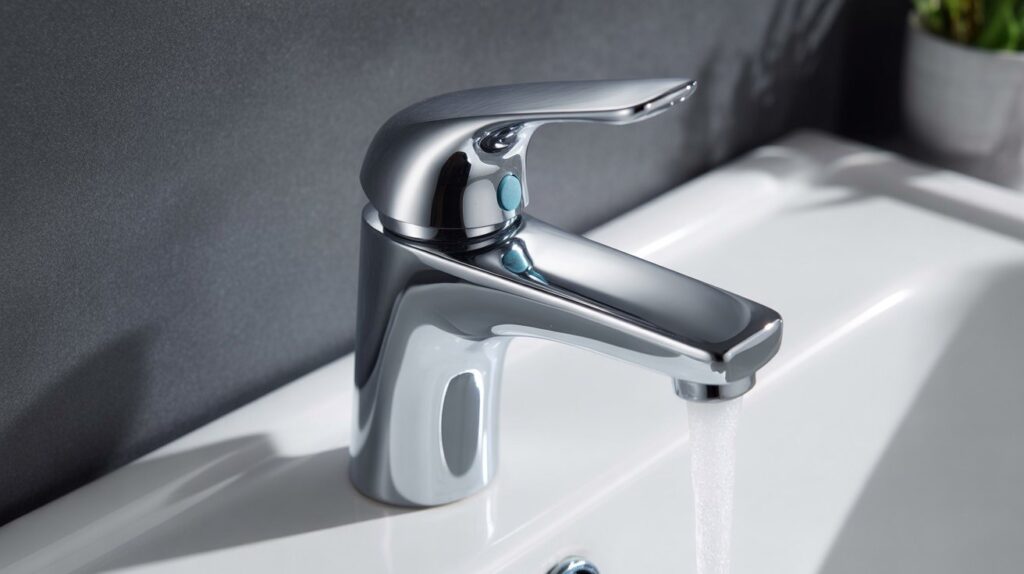
Water Efficiency and Aerators
Water efficiency is an important aspect of understanding how does a water tap work, as modern taps are designed to save water while maintaining strong performance.
What Is an Aerator?
An aerator is a small device fitted at the end of a tap’s spout. It mixes air with the water flow, creating a steady, splash-free stream. This simple addition reduces water usage without affecting pressure or performance.
How Aerators Improve Efficiency
By blending air into the water stream, aerators reduce the volume of water used per minute. This helps households save significant amounts of water and energy, especially in hot water usage.
Benefits of Water-Saving Taps
Modern taps with aerators or flow restrictors ensure that water is used efficiently. They maintain the same experience of strong water flow while reducing wastage, showing how does a water tap work with added environmental benefits.
Easy Maintenance
Aerators can be removed and cleaned to prevent clogging from mineral deposits. Keeping them clean ensures consistent water flow and helps the tap function efficiently over time.
Incorporating aerators demonstrates that even small components play a role in how does a water tap work, balancing performance, efficiency, and conservation.
Maintenance Tips to Keep a Water Tap Working Properly
Proper maintenance is essential for understanding how does a water tap work and ensuring it continues to operate smoothly for years. Regular care prevents leaks, drips, and mechanical problems.
1. Regular Cleaning
Clean the tap body and spout regularly to prevent mineral buildup and grime. Use mild soap and a soft cloth to avoid damaging finishes. This helps the internal parts work efficiently.
2. Check and Replace Washers or Cartridges
Worn washers or faulty cartridges can cause dripping and poor flow. Inspect them periodically and replace if necessary to maintain proper operation. This is a direct example of how does a water tap work depends on its components.
3. Clean the Aerator
Remove the aerator occasionally to clear out debris or mineral deposits. A clean aerator ensures consistent water flow and maintains water efficiency.
4. Avoid Excessive Force
Do not force the handle when turning the tap. Gentle operation reduces wear on internal components and prolongs the tap’s life.
5. Monitor Water Pressure
Ensure that the water pressure is within the recommended range for your tap. High pressure can damage internal parts, while low pressure can reduce flow efficiency.
6. Professional Inspection
For complex issues, such as leaks inside mixer taps or sensor taps, consult a plumber. Regular inspections can prevent small problems from becoming major repairs.
By following these maintenance tips, you can keep your tap in optimal condition and fully understand how does a water tap work over time.
Safety and Hygiene Considerations
Safety and hygiene are important aspects of understanding how does a water tap work, especially in modern homes and public spaces. Proper design and usage ensure clean, safe water and prevent accidents.
1. Backflow Prevention
Many taps include backflow prevention valves to stop contaminated water from flowing back into the main supply. This feature ensures that the tap works safely and maintains clean water in the household.
2. Anti-Scald Features
Mixer taps often have temperature limiters to prevent sudden bursts of hot water. This protects users, particularly children and the elderly, from accidental burns while showing how does a water tap work safely.
3. Hands-Free Sensor Taps
Sensor taps reduce contact with surfaces, minimizing the spread of germs. These taps automatically control flow, demonstrating a hygienic evolution in how does a water tap work.
4. Easy-to-Clean Materials
Using corrosion-resistant materials like stainless steel or chrome-plated finishes ensures that taps stay clean and free from bacteria buildup, supporting both hygiene and smooth operation.
5. Regular Maintenance for Hygiene
Cleaning the spout, handle, and aerator regularly prevents mineral deposits and bacterial growth, keeping water safe and the tap functioning properly.
Incorporating these safety and hygiene features helps users understand not just how does a water tap work, but also how it can operate safely and efficiently in everyday life.
FAQs About How Does a Water Tap Work
Including FAQs helps answer common questions and improves your chances of ranking for featured snippets. Here are some well-structured FAQs targeting how does a water tap work:
1. How does a water tap work internally?
A water tap works by using a handle to operate a valve or cartridge inside the tap. Turning the handle opens or closes the valve, controlling water flow and, in mixer taps, the temperature. Washers or ceramic discs form a seal to stop water completely when the tap is off.
2. Why does my tap drip even when it’s turned off?
A dripping tap usually indicates a worn washer, damaged cartridge, or valve seat issue. Replacing the faulty part restores proper sealing and stops the leak.
3. What is the difference between a traditional tap and a modern tap?
Traditional taps use washers and require multiple turns to operate, while modern taps often use ceramic cartridges, quarter-turn mechanisms, sensor technology, and water-saving aerators for improved efficiency and durability.
4. How does a mixer tap control water temperature?
Mixer taps blend hot and cold water inside a cartridge or chamber. Moving the handle adjusts the ratio of hot to cold water, allowing precise temperature control.
5. Can water pressure affect how a tap works?
Yes, low water pressure can reduce flow, while high pressure can damage internal components. Optimal pressure ensures smooth operation and longevity of the tap.
6. How do aerators improve tap efficiency?
Aerators mix air into the water stream, reducing water use while maintaining a steady, splash-free flow. This improves efficiency and conserves water.
Conclusion
Understanding how does a water tap work helps homeowners, plumbers, and curious readers appreciate the simple yet clever mechanics behind this everyday fixture. From basic components like handles, cartridges, and washers to modern innovations such as sensor taps and water-saving aerators, every part plays a vital role in controlling water flow, temperature, and efficiency. Regular maintenance, proper pressure, and choosing the right materials ensure smooth operation, prevent leaks, and extend the tap’s lifespan. By knowing how your tap works and addressing common issues early, you can enjoy reliable performance, conserve water, and maintain a safe, hygienic home environment.