
Introduction
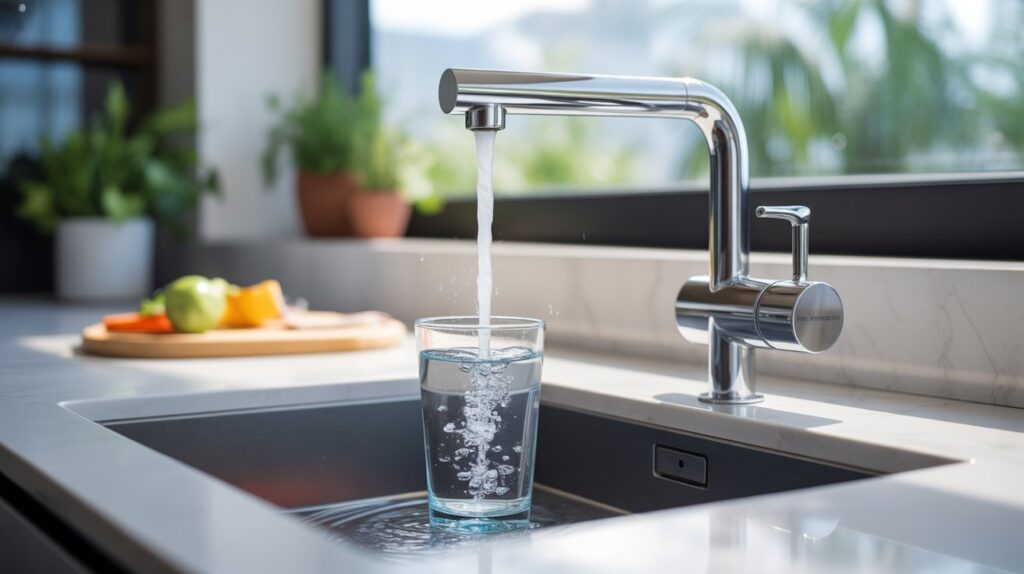
A tap water filter is an essential tool for anyone who wants clean, safe, and great-tasting drinking water at home. With contaminants like chlorine, heavy metals, and bacteria potentially present in tap water, using a reliable filter ensures your family drinks healthier water every day. Tap water filters come in various types, sizes, and technologies, from simple carbon filters to advanced multi-stage systems. Choosing the right one requires understanding filtration technology, installation methods, maintenance needs, and overall performance. This guide will help you compare the best tap water filters, so you can make an informed decision and enjoy fresh, safe water straight from your faucet.
Table of Contents
Filtration Technology
The filtration technology used in a tap water filter plays a major role in how clean, safe, and good-tasting your drinking water will be. Different filters use different methods to remove contaminants, so understanding these technologies helps you choose the right option for your needs.
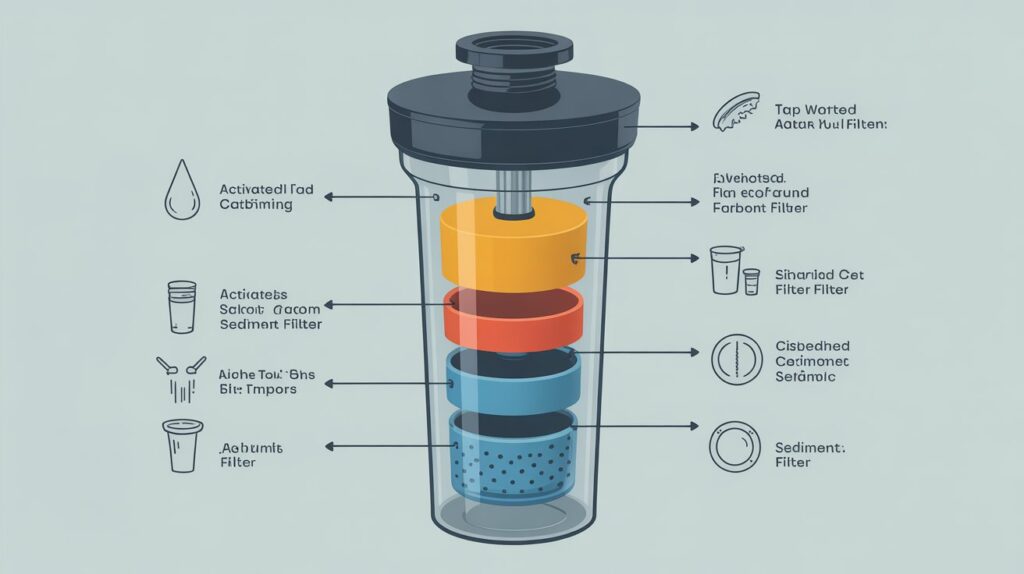
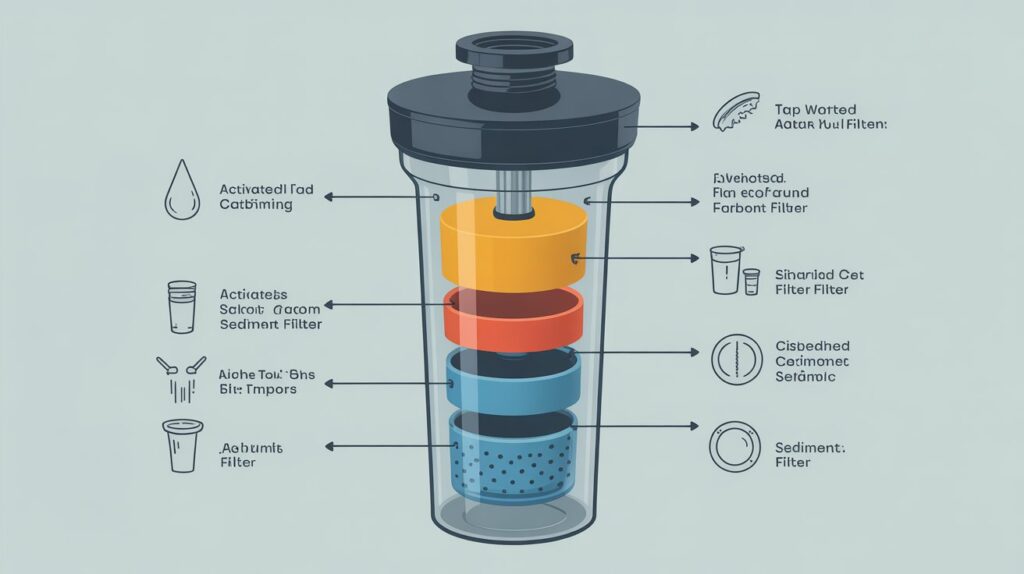
Most tap water filters rely on activated carbon filtration, which is highly effective at removing chlorine, bad odors, and unpleasant tastes. Carbon works by absorbing impurities as water passes through it, making it ideal for improving everyday tap water quality. Some advanced carbon filters are combined with ceramic filtration, which can trap sediment, bacteria, and fine particles due to their very small pore size.
Higher-end tap water filter models may use multi-stage filtration systems. These systems combine carbon, sediment filters, and sometimes membrane-based technologies to target a wider range of contaminants, including heavy metals. While reverse osmosis is powerful, it is less common in standard tap-mounted filters because it can reduce water pressure and require more complex installation.
In simple terms, the best filtration technology depends on your local water quality and usage needs. For most households, a carbon-based or multi-stage tap water filter offers a balance of performance, affordability, and ease of use.
Contaminants Removed
One of the main reasons people choose a tap water filter is to reduce harmful and unwanted contaminants from their drinking water. The type and number of contaminants removed depend on the filter’s design and filtration media.
Most tap water filters are effective at removing chlorine, which is commonly added to municipal water supplies and can affect both taste and smell. Many models also reduce lead and heavy metals, which may enter water through old pipes or plumbing fixtures. This is especially important for homes in older buildings.
Advanced tap water filter systems can also reduce sediment, rust, and sand particles, helping protect your tap and improve water clarity. Some filters include additional layers to address pesticides, VOCs (volatile organic compounds), and microplastics, which are increasingly found in water sources.
While no single filter removes everything, choosing a tap water filter that targets the contaminants present in your local water supply ensures safer, cleaner, and better-quality drinking water for daily use.
For more details on the difference between a tap and a faucet, check out our guide here.
Water Taste & Odor Improvement
Improving taste and odor is one of the most noticeable benefits of using a tap water filter. Tap water often contains chlorine and other chemicals that can leave an unpleasant smell or metallic taste, making it less enjoyable to drink.
Most tap-mounted filters use activated carbon to absorb chlorine and odor-causing compounds. As water flows through the filter, these impurities are trapped, resulting in fresher-smelling and better-tasting water. This improvement is especially important for drinking, cooking, and making beverages like tea or coffee.
A quality tap water filter can also reduce earthy or musty smells caused by organic matter in the water supply. While taste improvement does not always mean the water is completely contaminant-free, it greatly enhances everyday usability and encourages better hydration habits at home.
Overall, if taste and odor are your main concerns, choosing a tap water filter with strong carbon filtration technology can make a clear and immediate difference.
Installation Method
The installation method is an important factor to consider when choosing a tap water filter, especially for users who prefer a quick and hassle-free setup. Most tap-mounted filters are designed for easy, do-it-yourself installation and do not require professional help.
Many tap water filter models attach directly to the faucet using a simple screw-on or snap-fit mechanism. These systems usually come with multiple adapters, making them compatible with common tap sizes. Installation typically takes only a few minutes and does not require tools, drilling, or permanent changes to your plumbing.
Some advanced tap water filters include diverter valves that allow you to switch between filtered and unfiltered water. This feature helps extend filter life while maintaining normal water flow when filtration is not needed. While under-sink systems offer more complex filtration, standard tap-mounted filters are preferred for their simplicity and portability.
In short, if ease of use and quick setup are priorities, a tap water filter with a tool-free installation method is an ideal choice.
Compatibility with Tap Types
Before purchasing a tap water filter, it is essential to check whether it is compatible with your existing tap. Not all faucets are the same, and compatibility issues can affect installation and performance.
Most tap water filters are designed to work with standard kitchen faucets, especially those with removable aerators. Manufacturers usually include multiple adapters to fit different thread sizes, making installation easier for most households. However, some modern taps, such as pull-out, pull-down, or sensor-based faucets, may not be compatible with certain tap-mounted filters.
Wall-mounted taps and non-threaded faucet designs can also create compatibility challenges. In such cases, users may need to consider alternative filtration options or check brand-specific compatibility guides before purchasing a tap water filter.
To avoid problems, always review the product specifications and supported tap types. Choosing a compatible tap water filter ensures proper fitting, leak-free operation, and consistent water filtration performance.
Filter Lifespan & Replacement Frequency
The lifespan of the filter cartridge is a key consideration when choosing a tap water filter, as it directly affects maintenance effort and long-term cost. Each filter has a limited capacity and must be replaced regularly to maintain effective filtration.
Most tap water filters are designed to last between 2 to 4 months, depending on water usage and local water quality. Manufacturers usually specify the filter’s capacity in liters or gallons, which helps users estimate how often replacements are needed. Using a filter beyond its recommended lifespan can reduce performance and allow contaminants to pass through.
Many modern tap water filter models include indicator lights or usage counters that alert users when it’s time to replace the cartridge. This feature helps ensure consistent water quality and prevents guesswork. Replacement cartridges are generally easy to install and require no special tools.
Choosing a tap water filter with a reasonable lifespan and easily available replacement filters ensures clean water without frequent maintenance hassles.
Maintenance Requirements
Maintenance requirements are an important factor when selecting a tap water filter, as they determine how easy it is to keep the system working efficiently. Most tap-mounted filters are designed for minimal upkeep, making them suitable for everyday household use.
In general, maintenance involves regular filter replacement and occasional cleaning of the filter housing. Replacing the cartridge is usually a quick, tool-free process that takes only a few minutes. Some tap water filter designs allow users to rinse certain components to remove trapped sediment and maintain smooth water flow.
Neglecting maintenance can reduce filtration effectiveness and impact water taste. Following the manufacturer’s maintenance guidelines helps ensure that the tap water filter continues to remove impurities as intended. Filters with clear instructions and simple replacement mechanisms are often preferred by users who want convenience.
Overall, a tap water filter with low maintenance requirements offers long-term reliability and consistent water quality with minimal effort.
Water Flow Rate & Pressure Impact
The water flow rate is another important aspect to consider when choosing a tap water filter, as it affects how quickly water is delivered for daily tasks. A good filter should balance effective filtration with a steady and comfortable water flow.
Most tap water filters slightly reduce water pressure because the water must pass through filtering materials. However, well-designed models minimize this impact by using optimized filter structures that allow smooth water passage. For everyday use such as drinking, washing vegetables, or cooking, the flow rate is usually more than sufficient.
Some tap water filter systems include a diverter switch, allowing users to choose between filtered and unfiltered water. This feature helps maintain full water pressure when filtration is not needed and also extends the filter’s lifespan.
If water pressure is a concern in your home, selecting a tap water filter specifically designed for high flow performance can ensure convenience without compromising filtration quality.
Material Quality & Build Durability
The quality of materials and overall build is crucial when selecting a tap water filter, as it determines the product’s longevity and safety. Filters made with low-quality plastic or poorly sealed components may leak, break, or even contaminate water over time.
Most reputable tap water filters use BPA-free plastic or stainless steel for parts that come into contact with water. This ensures safety and prevents chemical leaching. Durable materials also help the filter withstand daily use, water pressure changes, and repeated cartridge replacements without cracking or malfunctioning.
High-quality build extends the filter’s lifespan and ensures consistent water flow and filtration performance. When shopping for a tap water filter, look for products with solid construction, secure fittings, and leak-proof designs. Investing in a durable model may cost a bit more upfront but saves money and hassle in the long run.
Certifications & Safety Standards
When choosing a tap water filter, checking for certifications and compliance with safety standards is essential to ensure that the product effectively removes contaminants and is safe for daily use.
Many trusted filters are certified by organizations like NSF International or ANSI, which test and verify the filter’s ability to reduce specific contaminants such as chlorine, lead, and bacteria. Certifications also confirm that the materials used in the filter are safe for contact with drinking water and do not leach harmful chemicals.
Filters that meet recognized standards provide peace of mind, especially for households with children, elderly members, or individuals with health concerns. Additionally, certified products often undergo rigorous quality testing, ensuring consistent performance over the filter’s lifespan.
In short, a tap water filter with proper certifications guarantees cleaner, safer, and more reliable drinking water for everyday use.
Design & Size (Kitchen Space Friendly)
The design and size of a tap water filter are important considerations, especially for kitchens with limited counter or sink space. A compact, well-designed filter not only fits easily but also looks neat and functional.
Most tap-mounted filters are sleek and attach directly to the faucet, minimizing clutter. Some models are designed with modern aesthetics in mind, featuring smooth lines, chrome finishes, or neutral colors that blend with any kitchen décor. Larger under-sink filters offer higher filtration capacity but require more space and professional installation.
When selecting a tap water filter, consider both space availability and ease of use. A compact design ensures the filter doesn’t interfere with daily tasks like washing dishes or filling pots while still providing effective water filtration.
Cost & Value for Money
The price of a tap water filter is an important factor for most buyers, but it’s equally important to consider the value it offers. While cheaper filters may seem attractive initially, they might have shorter lifespans, fewer features, or lower filtration efficiency.
High-quality tap water filters typically offer better contaminant removal, longer-lasting cartridges, and durable construction, making them more cost-effective over time. When comparing products, consider both the upfront price and the ongoing cost of replacement filters.
Investing in a reliable tap water filter ensures cleaner, safer water for your household while reducing the risk of issues like unpleasant taste, odors, or exposure to harmful contaminants. Ultimately, a filter that balances performance, durability, and price delivers the best value for money.
Replacement Filter Cost
When evaluating a tap water filter, it’s important to consider the cost of replacement cartridges, as this impacts the overall long-term expense. Even a high-quality filter can become expensive if its replacement filters are overpriced or hard to find.
Most tap water filters require cartridge replacements every 2–4 months, depending on usage and water quality. Replacement filters vary in price, ranging from affordable options for standard carbon filters to higher costs for multi-stage or specialty filters that remove heavy metals and bacteria.
Some brands offer subscription services or bulk packs to reduce replacement costs, making ongoing maintenance more convenient and economical. Always check the availability and price of replacement filters before purchasing a tap water filter to ensure it remains cost-effective over time.
Environmental Impact
The environmental impact of a tap water filter is an increasingly important factor for eco-conscious buyers. Choosing the right filter can help reduce plastic waste and promote sustainable water consumption.
Many tap-mounted filters use replaceable cartridges, which means less plastic waste compared to bottled water. Some brands also offer recyclable filters or programs to return used cartridges for proper disposal. Multi-stage filters that last longer reduce the frequency of replacements, further minimizing environmental impact.
Additionally, using a tap water filter reduces reliance on single-use plastic bottles, which benefits both your wallet and the planet. By selecting an eco-friendly tap water filter, you can enjoy clean, safe water while contributing to environmental sustainability.
Warranty & Customer Support
The warranty and quality of customer support are key factors that ensure peace of mind. A reliable warranty protects against manufacturing defects and gives you confidence in the product’s durability.
Most reputable tap water filter brands offer 1–2 years of warranty on their units, covering parts and sometimes replacement cartridges. Good customer support helps with installation guidance, troubleshooting, and replacement orders, making the overall experience hassle-free.
Before purchasing, check the warranty terms and read reviews to confirm the brand’s support quality. A tap water filter backed by a strong warranty and responsive customer service ensures long-term satisfaction and reliable access to clean, safe water.
FAQs About Tap Water Filters
1. What is a tap water filter and how does it work?
filter is a device that removes impurities, chemicals, and contaminants from tap water. It usually uses activated carbon, ceramic, or multi-stage filtration to improve water safety, taste, and odor.
2. How often should I replace a tap water filter?
Most tap water filters need replacement every 2–4 months, depending on water usage and local water quality. Some models have indicator lights to alert you when it’s time to replace the cartridge.
3. Can a tap water filter remove heavy metals?
Yes, advanced tap water filters with multi-stage or reverse osmosis systems can reduce heavy metals such as lead, mercury, and copper. Always check the manufacturer’s specifications for contaminant removal.
4. Is installation of a tap water filter difficult?
Most tap-mounted filters are easy to install, requiring no tools. They attach directly to the faucet, often with adapters for different tap sizes. Some under-sink models may require professional installation.
5. Will a tap water filter affect water pressure?
A small reduction in water pressure is normal due to filtration. High-quality tap water filters are designed to maintain adequate flow for drinking, cooking, and washing. Some models include diverter valves to switch between filtered and unfiltered water.
6. Are tap water filters environmentally friendly?
Yes, tap water filters reduce the need for bottled water, lowering plastic waste. Some brands also offer recyclable filters or cartridge return programs to minimize environmental impact.
7. How do I know which tap water filter is right for me?
Consider your local water quality, contaminants you want to remove, budget, kitchen space, and filter maintenance requirements. Checking certifications and customer reviews can also help you choose the best tap water filter for your needs.
Conclusion
Choosing the right tap water filter requires understanding several important factors, including filtration technology, contaminants removed, installation, and maintenance requirements. A quality filter not only improves water taste and odor but also ensures safe drinking water for your household. By considering compatibility, filter lifespan, material durability, certifications, and cost, you can select a filter that offers the best value and long-term performance. Additionally, eco-friendly options and reliable customer support enhance convenience and sustainability. Investing in a high-quality tap water filter guarantees cleaner, healthier water while making everyday use easy and efficient.