
Introduction
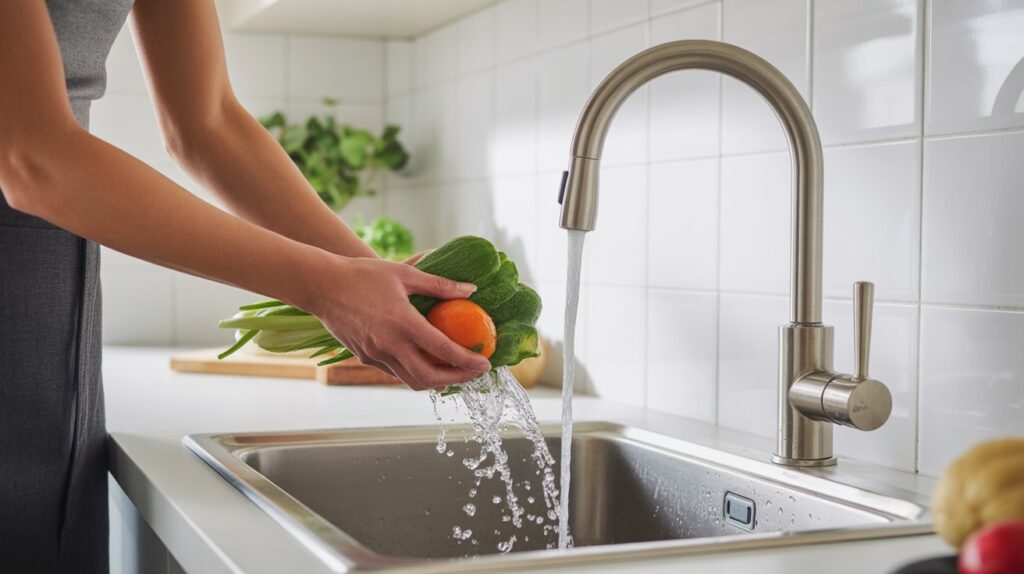
When it comes to upgrading your kitchen, choosing the right water tap for kitchen can make a huge difference in both style and functionality. A well-designed tap not only complements your kitchen décor but also improves efficiency for cooking, cleaning, and daily chores. From modern pull-down designs to eco-friendly options, there are countless features to consider, including material quality, spout type, water flow, and ease of use. In this guide, we’ll explore everything you need to know to select the perfect water tap for kitchen that combines durability, convenience, and aesthetic appeal.
Table of Contents
Design & Style
The design and style of a water tap for kitchen play an important role in both appearance and functionality. A well-designed tap should match your kitchen’s interior while also being comfortable and practical to use.
Modern vs Traditional Designs
Modern kitchen taps usually feature clean lines, minimal curves, and sleek finishes like matte black, brushed steel, or chrome. These styles work well in contemporary kitchens with flat cabinets and simple layouts. Traditional designs, on the other hand, often include curved spouts, decorative handles, and classic finishes like polished chrome or bronze, making them suitable for rustic or vintage-style kitchens.
Finish Options
The finish affects both the look and maintenance of your tap. Chrome is shiny and easy to clean, brushed nickel hides fingerprints well, and matte black offers a bold, modern appearance. Choosing the right finish helps your water tap for kitchen blend smoothly with other elements like cabinet handles and sink material.
Size and Shape
The size of the tap should match your sink and counter space. A tall goose neck tap is ideal for deep sinks and large cookware, while a compact, low-profile tap works better for smaller kitchens. The shape should allow enough clearance for washing dishes comfortably without splashing.
Handle Design
Single-handle taps are popular because they are easy to operate with one hand and allow quick temperature control. Dual-handle taps offer a classic look and more precise temperature adjustment but take up more space and may feel less convenient for daily use.
Matching the Overall Kitchen Theme
A water tap should not feel out of place. For example, a high-tech sensor tap fits modern kitchens, while a ceramic-handled tap suits traditional decor. Selecting a design that complements your cabinets, sink, and lighting creates a balanced and visually pleasing kitchen environment.
Material & Durability
The material of a water tap for kitchen directly affects its strength, lifespan, and resistance to damage. Choosing the right material ensures your tap performs well for years without leaks, corrosion, or wear.
Stainless Steel
Stainless steel taps are one of the most popular choices because they are rust-resistant, hygienic, and very durable. They do not corrode easily, even in areas with hard water, and they are easy to clean. A stainless steel water tap for kitchen is ideal for daily heavy use and modern kitchens.
Solid Brass
Brass taps are known for their strength and long life. They are heavier, more durable than plastic or zinc alloys, and resistant to internal corrosion. Many premium kitchen taps use solid brass bodies because they maintain performance and water safety over time.
Zinc Alloy and Plastic Components
Budget-friendly taps often use zinc alloy or plastic parts. While they are lightweight and affordable, they are not as durable as stainless steel or brass. Over time, they may wear out faster, especially with frequent use or high water pressure.
Coating and Surface Protection
High-quality finishes like PVD coating or powder coating protect the tap from scratches, stains, and fading. This keeps your water tap for kitchen looking new for longer and reduces maintenance needs.
Resistance to Leaks and Damage
A good-quality tap includes ceramic disc cartridges, which are more durable and leak-resistant than rubber washers. These internal components play a big role in preventing dripping and ensuring smooth operation.
Installation Type
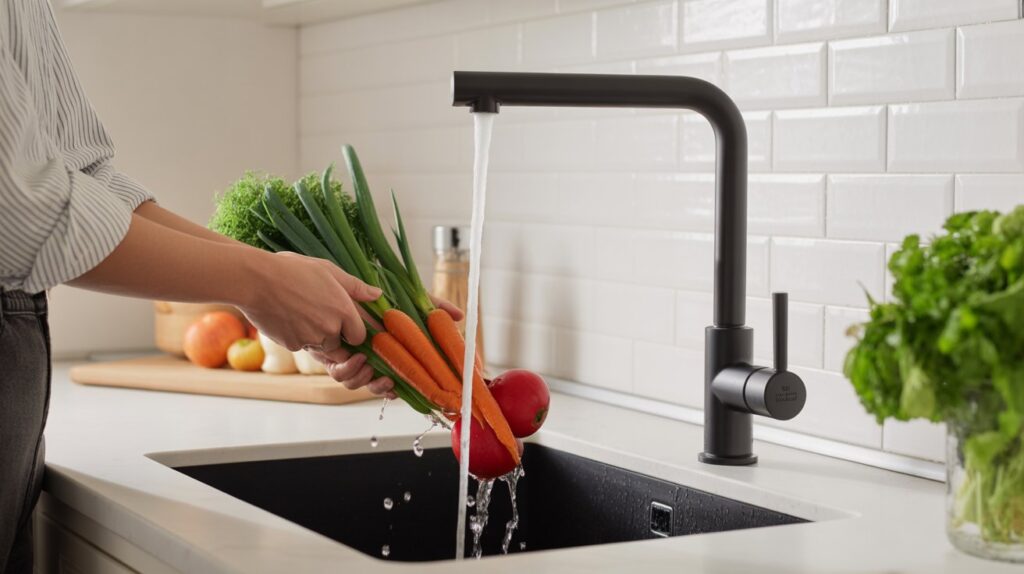
The installation type of a water tap for kitchen determines how it fits onto your sink or countertop and how easy it is to install or replace. Choosing the right type ensures compatibility with your existing setup and avoids unnecessary modifications.
Deck-Mounted Taps
This is the most common installation type and works well for most kitchens. A deck-mounted water tap for kitchen is easy to access, simple to install, and available in many designs.
Wall-Mounted Taps
Wall-mounted taps are fixed into the wall above the sink, creating a clean and modern look. They save counter space and make cleaning easier, but they require special plumbing and precise installation. These are best for newly designed or renovated kitchens.
Single-Hole Installation
Single-hole taps combine the spout and handle into one unit, making them compact and easy to install. They are ideal for small sinks and minimalistic kitchen designs.
Three-Hole Installation
Three-hole taps separate the hot handle, cold handle, and spout into different parts. They offer a traditional appearance and more precise temperature control but require sinks or counters with multiple holes.
Compatibility with Existing Plumbing
Before buying, it’s important to check how many holes your sink has and the spacing between them. Choosing a water tap for kitchen that matches your current plumbing layout will save time, money, and effort during installation.
Spout Type
The spout type of a water tap for kitchen affects how easily you can wash dishes, fill pots, and clean the sink. Different spout styles are designed for different kitchen needs and sink sizes.
Gooseneck Spout
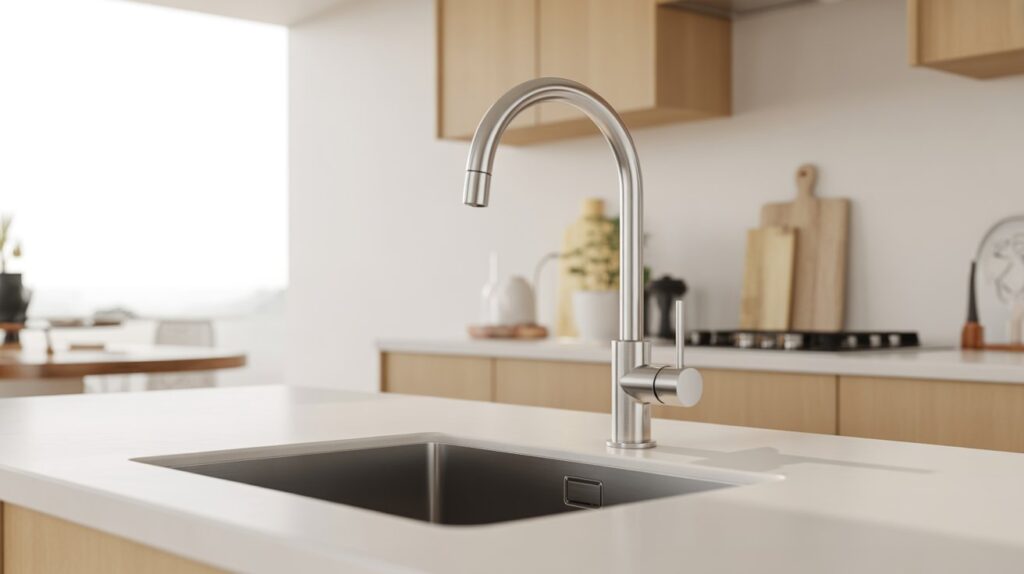
Gooseneck spouts are tall and curved, providing plenty of space under the tap. They are ideal for filling large pots and washing bulky cookware. A gooseneck water tap for kitchen is a popular choice for busy kitchens and deep sinks.
Pull-Down Spout
Pull-down spouts include a flexible hose that can be pulled downward into the sink. This makes rinsing dishes and cleaning corners easier. They are practical, user-friendly, and common in modern kitchen designs.
Pull-Out Spout
Pull-out spouts extend outward rather than downward and are useful for smaller sinks. They offer good control and flexibility without needing a very tall spout.
Fixed Spout
Fixed spouts do not move or extend. They are simple, affordable, and suitable for basic kitchen setups where flexibility is not a priority.
Swivel Spout
Swivel spouts rotate from side to side, making them perfect for double-bowl sinks. They improve reach and convenience, especially when multitasking.
Choosing the right spout type ensures your water tap for kitchen matches your daily cooking, cleaning, and space requirements.
Water Flow & Pressure Performance
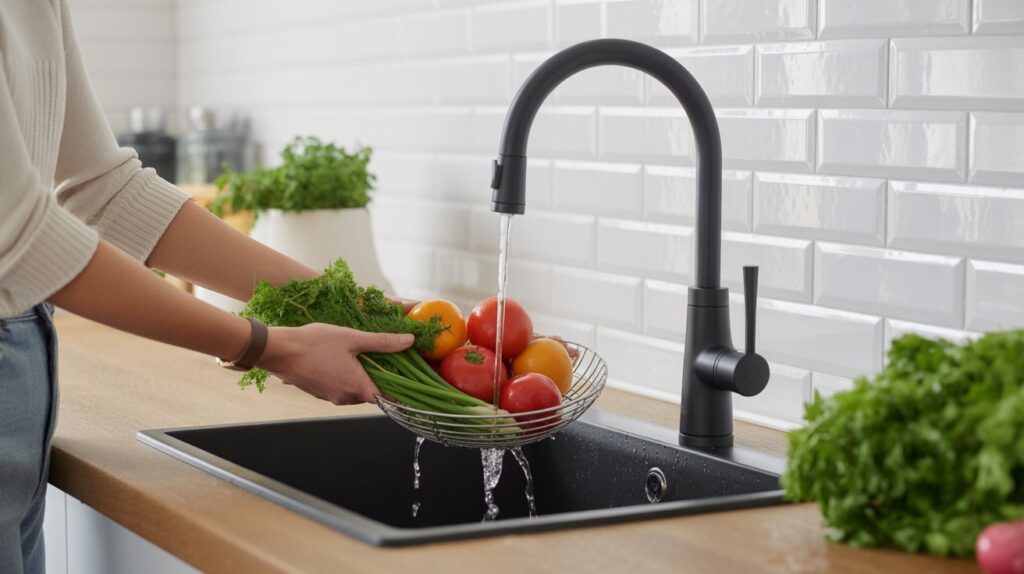
Water flow and pressure determine how efficiently a water tap for kitchen performs everyday tasks like rinsing dishes, washing vegetables, and filling containers. The right balance ensures good performance without wasting water.
Flow Rate
Flow rate is measured in liters or gallons per minute and shows how much water the tap releases. A moderate flow rate provides enough pressure for cleaning while reducing water usage. Choosing a water tap for kitchen with a controlled flow rate helps save water and lowers utility bills.
Aerated vs Spray Flow
Aerated flow mixes air with water to create a soft, splash-free stream that is ideal for washing hands and light cleaning. Spray flow produces a stronger, wider stream for removing food residue from dishes. Many modern taps allow you to switch between these modes easily.
Pressure Compatibility
Some homes have low water pressure, while others have high pressure. A good tap is designed to perform well in both situations. Pressure-regulating valves and quality cartridges help maintain steady flow and prevent splashing or dripping.
Consistency and Control
A high-quality tap provides smooth control over flow and temperature. This allows you to adjust water strength easily, improving comfort and reducing waste.
Choosing the right flow and pressure features ensures your water tap for kitchen is efficient, reliable, and comfortable for daily use.
Ease of Use
Ease of use is an important factor when choosing a water tap for kitchen, especially for busy households where the tap is used many times a day. A user-friendly tap saves time, effort, and reduces frustration.
Single-Handle vs Dual-Handle
Single-handle taps let you control both temperature and flow with one lever, making them fast and convenient to use. Dual-handle taps allow separate control for hot and cold water, offering more precise adjustment but requiring more effort.
Smooth Operation
A quality tap should move smoothly without stiffness or looseness. Ceramic disc cartridges ensure smooth handle movement and long-lasting performance without leaks.
Reach and Flexibility
Pull-down and swivel taps improve reach and make it easier to clean large items and all corners of the sink. A flexible water tap for kitchen is especially useful in kitchens where multitasking is common.
One-Handed Use
Being able to operate the tap with one hand is helpful when the other hand is dirty or holding dishes. Lever handles and touch-activated taps make operation simple and hygienic.
Comfort and Accessibility
The handle height, spout reach, and overall shape should feel comfortable during daily use. A well-designed water tap for kitchen reduces strain on the wrist and improves overall kitchen efficiency.
Spray Functions & Features
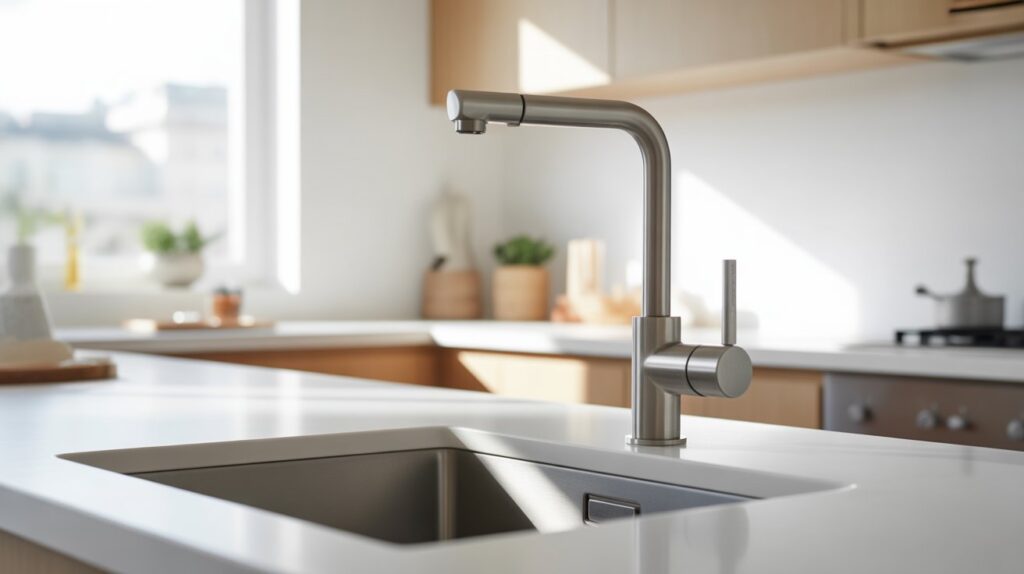
Spray functions and special features improve the performance and convenience of a water tap for kitchen by making everyday cleaning tasks faster and easier.
Multiple Spray Modes
Many modern taps offer different spray modes such as stream, spray, and pause. Stream mode is useful for filling pots, spray mode helps remove food from dishes, and pause mode reduces water waste while switching tasks.
Retractable Hose
A retractable hose allows you to pull the spout out and direct water exactly where you need it. This feature is very useful for rinsing large pans and cleaning the sink thoroughly.
Magnetic Docking
Magnetic docking systems pull the spray head back into place after use. This keeps the water tap for kitchen looking neat and prevents the hose from hanging loosely.
Touchless or Touch Control
Some advanced taps use sensors or touch activation, allowing you to turn the water on and off without touching the handle. This improves hygiene and reduces the spread of germs.
LED Temperature Indicators
Certain taps include LED lights that change color based on water temperature. This adds safety by preventing accidental burns and also gives the kitchen a modern look.
These features make a water tap for kitchen more efficient, hygienic, and enjoyable to use.
Water Saving & Eco-Features
Water-saving and eco-friendly features help reduce water waste and lower utility bills while keeping your water tap for kitchen efficient and practical.
Low-Flow Technology
Low-flow taps reduce the amount of water used per minute without affecting performance. This helps conserve water while still providing enough pressure for cleaning and rinsing.
Aerators for Efficiency
Built-in aerators mix air with water to create a smooth stream that feels strong but uses less water. An aerated water tap for kitchen improves efficiency and reduces splashing.
Automatic Shut-Off
Some modern taps automatically shut off after a certain time or when no motion is detected. This prevents accidental water waste and reduces the risk of overflow.
Temperature Control for Energy Saving
Quick temperature control reduces the time hot water needs to run, saving energy and lowering heating costs.
Environmentally Friendly Materials
Many manufacturers now use recyclable and lead-free materials. Choosing an eco-conscious water tap for kitchen supports environmental protection and ensures water safety.
These features make a water tap for kitchen more sustainable, cost-effective, and environmentally responsible.
Maintenance & Cleaning
Regular maintenance and easy cleaning are essential to keep a water tap for kitchen looking new and functioning efficiently. A low-maintenance tap saves time and prevents long-term problems like leaks or corrosion.
Easy-to-Clean Finishes
Taps with smooth finishes like chrome, brushed nickel, or matte black are easier to wipe clean and resist fingerprints and water spots. This reduces the effort needed to keep your water tap for kitchen sparkling.
Anti-Limescale Nozzles
Many modern taps include anti-limescale or self-cleaning nozzles. These prevent mineral buildup from hard water, ensuring consistent water flow and reducing the frequency of deep cleaning.
Removable Spray Heads
Pull-down or pull-out taps with removable spray heads make it easier to clean both the tap and the sink. You can rinse off food particles and clean the nozzle thoroughly, keeping your tap hygienic.
Smooth Operation Over Time
Quality taps are designed with durable internal components such as ceramic disc cartridges that prevent leaks and maintain smooth handle movement. This reduces maintenance needs and prolongs lifespan.
Routine Checks
Inspect your water tap for kitchen regularly for leaks, loose fittings, or worn washers. Small adjustments and timely cleaning prevent costly repairs later.
Proper maintenance ensures your tap continues to perform well, looks great, and lasts for years.
Build Quality & Warranty
The build quality of a water tap for kitchen ensures long-lasting performance, reliability, and peace of mind. Coupled with a solid warranty, it protects your investment.
Durable Materials
High-quality taps are made from stainless steel or solid brass, which resist corrosion, rust, and wear over time. Avoid low-quality plastics or zinc alloys, which may degrade quickly under regular use.
Strong Internal Components
Ceramic disc cartridges, reinforced joints, and brass valves increase durability and prevent leaks. A well-built water tap for kitchen provides smooth operation for years, even under high water pressure.
Brand Reliability
Trusted brands often maintain higher standards of quality control. Choosing a reputable manufacturer ensures the tap is tested for durability and consistent performance.
Warranty Coverage
Many premium taps come with lifetime or multi-year warranties covering defects, leaks, and finishes. A comprehensive warranty protects your water tap for kitchen and reduces the cost of repairs or replacement.
Long-Term Value
Investing in a tap with excellent build quality and warranty may cost more initially but saves money in the long run by reducing repairs, replacements, and maintenance issues.
Good build quality and reliable warranty make your water tap for kitchen a durable and trustworthy choice for daily use.

Frequently Asked Questions (FAQs)
1. What is the best type of water tap for kitchen?
The best type depends on your kitchen layout and needs. Pull-down or gooseneck taps are ideal for deep sinks and large cookware, while wall-mounted or single-hole taps suit smaller kitchens. Consider features like spray modes, water-saving options, and durability when choosing a water tap for kitchen.
2. How do I install a water tap for kitchen?
Installation varies by type. Single-hole taps are easier to install than three-hole setups. Always check compatibility with your sink and water connections before purchase.
3. What materials are best for durability?
Stainless steel and solid brass are the most durable materials for a water tap for kitchen. They resist corrosion, wear, and leaks better than plastic or zinc alloys. High-quality internal components, like ceramic disc cartridges, also improve lifespan.
4. Can a water tap for kitchen help save water?
Yes. Many modern taps include low-flow technology, aerated stream, or automatic shut-off features that reduce water waste without compromising performance. Choosing an eco-friendly tap helps conserve water and lower utility bills.
5. How do I clean and maintain my kitchen tap?
Use a soft cloth and mild cleaner to wipe the finish regularly. Pull-down or pull-out taps should be rinsed to remove food residue. Anti-limescale nozzles reduce buildup from hard water. Inspect handles and connections periodically to prevent leaks and maintain smooth operation.
6. Are touchless water taps for kitchen worth it?
Touchless taps improve hygiene, reduce water waste, and offer modern convenience. They are ideal for busy kitchens but require proper installation and occasional battery replacement.
7. How long does a good water tap for kitchen last?
With proper maintenance, high-quality taps made from stainless steel or brass can last 10–20 years. Warranty coverage and brand reliability also play a role in longevity.
Read more about choosing the perfect water tap to upgrade your sink and improve your daily kitchen experience.
Conclusion
Choosing the right water tap for kitchen is more than just picking a stylish design—it affects daily convenience, water efficiency, and long-term durability. From modern goose neck and pull-down designs to eco-friendly, low-flow options, the perfect tap balances functionality with aesthetics. Paying attention to material quality, installation type, spray features, and ease of use ensures you select a tap that meets your kitchen needs while saving water and reducing maintenance. Additionally, investing in a tap with strong build quality, reliable warranty, and positive customer reviews guarantees long-term satisfaction. Whether you prioritize style, efficiency, or advanced features, the right water tap for kitchen transforms your kitchen into a more practical and enjoyable space for cooking, cleaning, and everyday use.