

Introduction
Understanding how to repair a leaky outdoor faucet is an essential skill for every homeowner. A dripping outdoor tap does more than waste water—it can create moisture damage, attract insects, increase your water bill, and weaken the surrounding wall structure. Outdoor faucets usually leak due to worn internal components, incorrect installation, or seasonal temperature changes. Because these faucets sit outside, they face more wear than indoor fixtures. This comprehensive guide will walk you through causes, tools, step-by-step repairs, preventive measures, and troubleshooting techniques so you can confidently handle any outdoor faucet issue without calling a plumber.
Table of Contents
Why Outdoor Faucets Start Leaking
Before learning how to repair a leaky outdoor faucet, it’s important to understand why leaks happen in the first place. Outdoor faucets operate under constant environmental stress—sun exposure, freezing temperatures, rust, and mineral buildup from hard water. One major reason for leaks is worn washers that no longer seal the faucet tightly. O-rings may also become brittle or cracked due to aging. Corrosion inside the valve seat prevents the faucet from closing completely. Sometimes leaks occur because threads have become loose over time or because debris has collected inside the stem assembly. Another common cause is water pressure issues, where excessive pressure forces water out even when the faucet is tightly closed. Once you know the exact cause, the repair becomes much easier and more predictable.
Tools You Need Before Starting
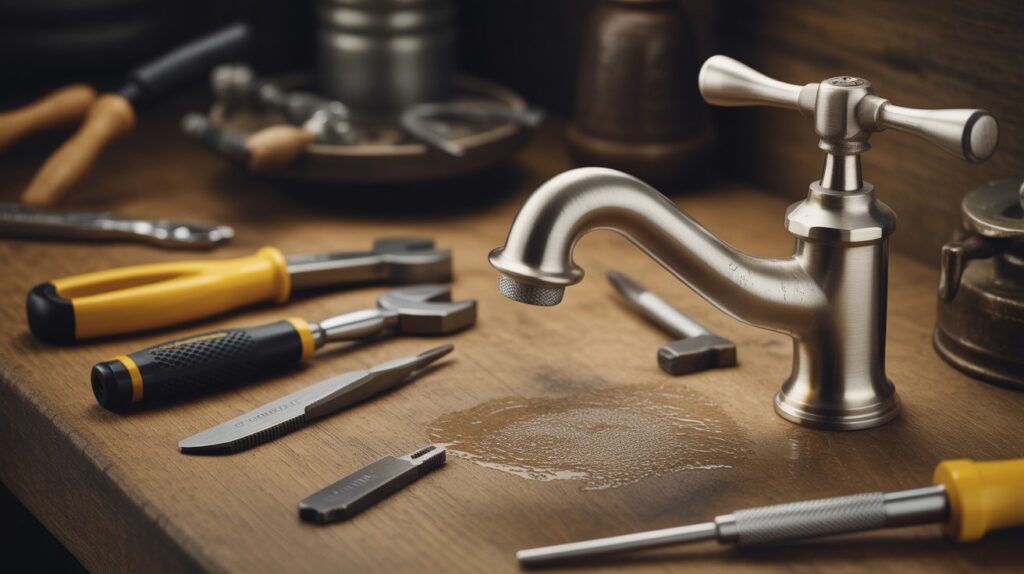
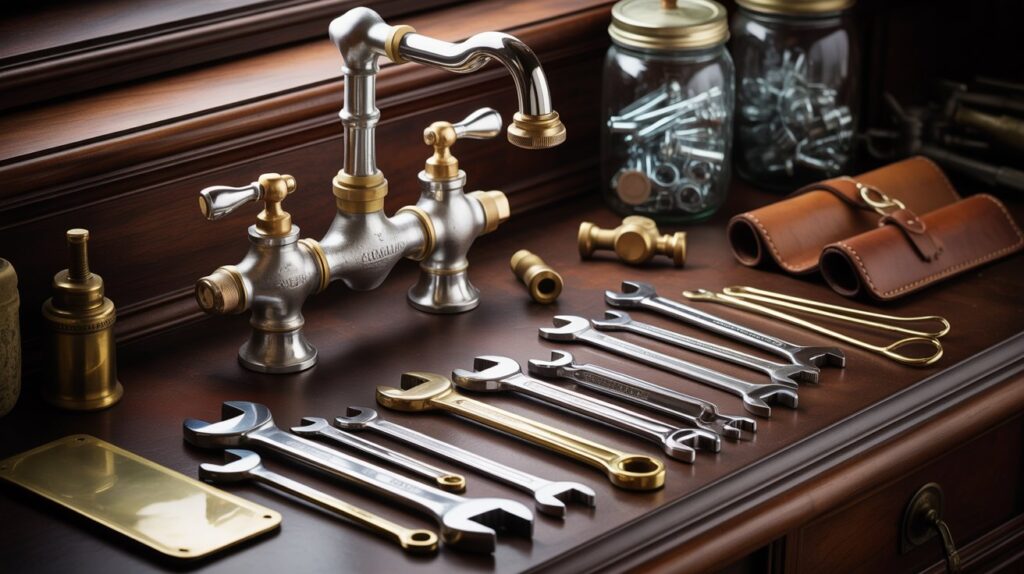
To understand how to repair a leaky outdoor faucet efficiently, gather all necessary tools beforehand. You’ll need adjustable wrenches, pliers, screwdrivers, penetrating oil, plumber’s tape, replacement washers, O-rings, and possibly a new faucet stem. If the faucet hasn’t been opened in years, corrosion may make disassembly difficult, so penetrating oil will help loosen stuck screws. A flashlight is useful for inspecting internal parts. A bucket or cloth helps catch leftover water when you open the faucet body. Organizing all materials before starting the repair saves time and helps you avoid mid-project interruptions. As part of home plumbing safety, always ensure tools are clean, in good condition, and appropriate for the job.
Shutting Off Water Supply
A crucial step in how to repair a leaky outdoor faucet is shutting off the water supply. Outdoor faucets can be connected either directly to the main line or to an indoor shut-off valve. Look for a valve near the basement ceiling, crawl space, or utility room. Turn it clockwise until fully closed. If your home doesn’t have a dedicated shut-off, use the main water valve usually located near the street line or meter box. Shutting off water prevents accidental spraying and makes the internal parts easier to open. After turning off the valve, open the outdoor faucet to drain any remaining water. This ensures a dry working area, reduces pressure, and prevents unnecessary mess when disassembling the faucet.
Removing the Faucet Handle
One of the first hands-on steps in how to repair a leaky outdoor faucet is removing the handle. Start by locating the screw on top of or behind the handle. If the screw is rusty, apply penetrating oil and wait a few minutes. Use a properly sized screwdriver to avoid stripping the screw head. Once the screw is removed, gently pull the handle straight toward you. If it is stuck, wiggle it slightly rather than forcing it, as excessive pulling may damage the stem. Removing the handle exposes the packing nut and internal stem, which are often the sources of outdoor faucet leaks. Handle removal also allows you to inspect whether the faucet has visible mineral buildup that may indicate poor outdoor faucet maintenance over the years.
Loosening the Packing Nut and Removing the Stem
After removing the handle, you will see the packing nut, a hex-shaped metal piece that holds the stem inside the faucet body. This is a key component in learning how to repair a leaky outdoor faucet. Be gentle—older faucets may crack under excessive force. Once the nut is loose, pull out the stem assembly. In many cases, the leak is caused by a worn washer located at the end of the stem. Removing the stem gives you access to all the internal components that determine how tightly the faucet closes. This step is essential for deeper repairs and for anyone performing garden hose bib repair, since the structure of most outdoor taps is similar.
Inspecting and Replacing the Washer
Next, examine the washer at the tip of the stem. This small rubber piece is often the main reason homeowners search for how to repair a leaky outdoor faucet. Over time, washers flatten, crack, or harden, preventing a complete seal. If the washer appears worn, replace it with an identical size. Use a screwdriver to remove the screw holding the washer, then install the new one. Make sure it is seated properly and the screw is tight but not overly tight. Using the wrong washer size will cause continued leaks or restrict water flow. A fresh washer ensures smooth faucet operation and restores proper sealing action when the faucet is turned off.
Replacing the O-Ring
The O-ring, located near the base of the stem, is another common leak point. Learning how to repair a leaky outdoor faucet involves checking this part thoroughly. The O-ring prevents water from escaping around the stem when the faucet is turned on. If you notice cracks, thinning, or brittleness, remove the old O-ring and install a new one of the same diameter. Lubricate it lightly with silicone grease to improve movement. A damaged O-ring often causes leaks around the handle area, which many homeowners mistake for internal valve issues. Replacing the O-ring takes only minutes but significantly improves faucet performance and durability.
Cleaning the Valve Seat
Even with new washers and O-rings, leaks may persist if the valve seat is damaged. While learning how to repair a leaky outdoor faucet, always inspect this part closely. Mineral deposits from hard water settle on the valve seat, creating an uneven surface that prevents full sealing. Use a valve seat tool or fine sandpaper to smooth the surface. Alternatively, you can soak the area with vinegar to break down mineral buildup. Cleaning the valve seat restores proper contact between the washer and faucet body, ensuring the water stops completely when the faucet is closed. This simple maintenance step improves long-term efficiency and supports better functioning over time.
Reassembling the Faucet
Once all internal parts are cleaned or replaced, it’s time to reassemble. Understanding how to repair a leaky outdoor faucet requires careful reassembly to avoid new issues. Insert the stem back into the faucet body, tighten the packing nut, and reinstall the handle. Ensure everything fits snugly but avoid overtightening, which can cause premature wear or thread damage. Apply plumber’s tape to any threaded connections to prevent future leaks. Accurate reassembly ensures the faucet operates smoothly without stiffness or grinding. It also prevents unnecessary strain on the stem, which can lead to repetitive leaking in older faucets.
Testing the Repaired Faucet
Testing is a key step in mastering how to repair a leaky outdoor faucet. Check the faucet in both open and closed positions. Watch carefully for dripping, unusual sounds, or weak water flow. If the faucet continues to leak, recheck the packing nut, washer seating, and O-ring position. Some faucets may drip slightly for the first minute after repair due to water trapped inside the stem, so allow a short settling period. Proper testing ensures your repair has completely solved the issue and restores the faucet to full functionality.
For a related guide, check out my article on how to repair a leaky bathtub faucet for more faucet repair help.
Fixing a Frost-Free Outdoor Faucet
Homeowners in cold regions often deal with frost-free faucet problems. Learning how to repair a leaky outdoor faucet of this type requires a slightly different approach. Frost-free faucets have a long stem that shuts off water inside the heated part of your home. If they leak, it usually means the long internal pipe has cracked due to freezing water. To repair it, remove the handle and packing nut just like a standard faucet, then pull out the long stem assembly. Replace the entire stem if it’s damaged. Make sure the faucet is slightly angled downward when reinstalled to prevent water from staying inside the pipe. Following proper winterizing practices ensures that your frost-free faucet avoids future freezing damage.
When to Replace Instead of Repair
While understanding how to repair a leaky outdoor faucet is helpful, sometimes replacement is more practical. If the faucet body is heavily corroded, the valve seat is deeply pitted, or internal parts are no longer available, replacement becomes the best option. New outdoor faucets are more efficient, rust-resistant, and designed to withstand harsh outdoor conditions. If leaks persist even after multiple repairs, replacement saves time, money, and water. This is especially true for older homes where faucets may be more than 20 years old and parts are no longer compatible with modern components.
Tips for Preventing Future Leaks
Preventive maintenance is the final step in knowing how to repair a leaky outdoor faucet and keeping it in good condition. Regularly inspect the faucet for signs of wear, rust, or loose fittings. Avoid leaving hoses attached in winter, as trapped water causes freezing damage. Lubricate the stem periodically and check the faucet after heavy weather changes. Addressing small drips early prevents major issues later. Incorporating DIY faucet repair tips into your routine allows you to keep the faucet functioning smoothly throughout the year and prevents unnecessary wear on internal components.
FAQs — How to Repair a Leaky Outdoor Faucet
1. What is the easiest way to start learning how to repair a leaky outdoor faucet?
The easiest way to start learning how to repair a leaky outdoor faucet is to first identify where the leak is coming from—whether it’s the spout, handle, or behind the faucet. Once the source is clear, turn off the water supply, remove the handle, and inspect the washer and O-ring. Most outdoor faucet leaks are caused by worn rubber parts, which can be replaced in minutes with simple tools.
2. Do I need special tools for how to repair a leaky outdoor faucet at home?
Most people can learn how to repair a leaky outdoor faucet using basic household tools. You only need a screwdriver, adjustable wrench, plumber’s tape, and replacement washers or O-rings. These parts are cheap and available at any hardware store, making outdoor faucet repair budget-friendly and DIY-friendly.
3. Can cold weather affect how to repair a leaky outdoor faucet?
Yes, temperature plays a big role in how to repair a leaky outdoor faucet—especially in winter. Outdoor faucets often leak because freezing water cracks the internal stem. In colder regions, frost-proof faucets are common, and if one leaks, you may need to replace the entire stem to fix the issue completely.
4. How long does it take to understand how to repair a leaky outdoor faucet?
If the issue is simple, you can understand how to repair a leaky outdoor faucet in 15–20 minutes. More complex problems—like valve seat corrosion—may take longer but are still manageable with patience and proper steps.
5. What should I check first when learning how to repair a leaky outdoor faucet?
When learning how to repair a leaky outdoor faucet, check the washer and O-ring first. These components are the most common reasons outdoor faucets drip.
6. When should I stop trying how to repair a leaky outdoor faucet and replace it?
If corrosion is severe, the faucet body is cracked, or leaks return repeatedly, you should stop trying how to repair a leaky outdoor faucet and replace the entire unit for long-term reliability.
Conclusion
Now you fully understand how to repair a leaky outdoor faucet from diagnosis to complete repair. Whether the issue involves washers, O-rings, valve seats, or temperature-related damage, the steps above guide you through every stage of the process. With proper care, occasional adjustments, and regular inspection, your outdoor faucet can last for many years without major problems. Basic knowledge of repairs not only saves money but also increases your confidence in managing home plumbing tasks and maintaining a safe, efficient water system around your home.