1. Introduction
When upgrading your kitchen, understanding the different types of kitchen faucets is essential for choosing the perfect combination of style and function. From pull-down and pull-out designs to touchless and wall-mounted options, today’s faucets offer more variety than ever before. Each type comes with unique features that enhance convenience, water efficiency, and aesthetics. In this guide, we’ll explore the most popular types of kitchen faucets, their benefits, and how to pick the right one for your home.
Table of Contents
2. Pull-Down Kitchen Faucets
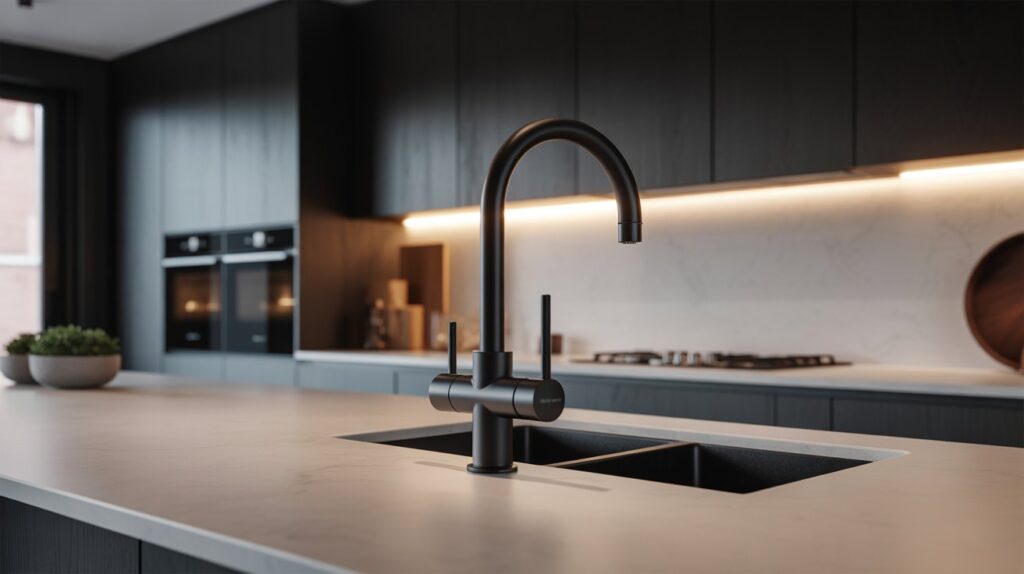
Among the many types of kitchen faucets, the pull-down kitchen faucet stands out for its modern design and convenience. This faucet features a high-arched spout with a spray head that pulls straight down into the sink, allowing easy cleaning of dishes, deep pots, and sink corners. It’s a favorite in contemporary kitchens where both function and style matter equally.
The pull-down faucet is designed with an ergonomic grip, making it effortless to switch between spray and stream modes. Because of its long, flexible hose, users can easily rinse large pans or reach all areas of the sink. Unlike other types of kitchen faucets, this one provides better downward control and reduces splashing, especially when working with deep basins.
Another reason homeowners prefer this faucet is its durability and clean aesthetic. Most pull-down kitchen faucets come in stainless steel, matte black, or brushed nickel finishes that complement a variety of kitchen interiors. Installation is straightforward for most models, and the single-handle design makes it easy to control both water temperature and pressure.
However, since the spout is usually tall, it may not fit comfortably under low cabinets. If your sink is shallow, water splashing could also be an issue. Still, among all the types of kitchen faucets, the pull-down model offers one of the best combinations of performance, style, and practicality — making it an ideal choice for busy households and modern kitchen layouts.
If you’re also interested in exploring stylish options for your bathroom, check out our detailed guide on types of bathroom faucets
3. Pull-Out Kitchen Faucets
When exploring different types of kitchen faucets, the pull-out kitchen faucet is another versatile and practical option loved by many homeowners. It features a spray head that pulls straight out toward you, giving more flexibility for rinsing dishes, washing vegetables, and cleaning the sink area. This design is especially handy in smaller kitchens or sinks where space is limited.
Unlike other types of kitchen faucets, the pull-out faucet typically has a shorter spout but a longer hose. This makes it easier to reach around large pots or fill containers placed on the countertop beside the sink. The flexible hose provides excellent control, making kitchen tasks more comfortable and efficient.
Most pull-out kitchen faucets come with dual spray functions—stream and spray—allowing users to switch between gentle rinsing and powerful cleaning. They are also designed to minimize water splashing, making them a great choice for households with children or smaller sinks.
One of the key benefits of this faucet type is its ergonomic design. The pull-out handle fits comfortably in hand and is easy to maneuver, even when your hands are wet or soapy. However, compared to taller designs like pull-down faucets, the pull-out model may not be ideal for deep farmhouse sinks or kitchens with large basins.
Still, among all the types of kitchen faucets, the pull-out faucet remains a top pick for those who prioritize flexibility, functionality, and compact design. It offers an excellent balance between convenience and space-saving efficiency, making it perfect for both modern and traditional kitchens alike.
4. Single-Handle Kitchen Faucets
Among the most common and convenient types of kitchen faucets, the single-handle kitchen faucet is a timeless favorite. It features one lever that controls both the temperature and the flow of water, making it simple to use and perfect for busy kitchens. With just one hand, you can easily adjust water pressure and temperature — a major advantage when cooking or cleaning.
One of the reasons this style stands out among other types of kitchen faucets is its sleek and space-saving design. The single-handle model usually takes up less room on the sink or countertop, leaving more space for cleaning and meal preparation. Its minimalist look also makes it suitable for modern, contemporary, and even transitional kitchen designs.
The single-handle kitchen faucet is also known for easy installation and low maintenance. Many models come with pull-down or pull-out spray options, combining the simplicity of one handle with the flexibility of a sprayer. This makes it ideal for people who want both style and practicality in one fixture.
Another advantage is temperature precision. Since both hot and cold controls are integrated into one handle, you can quickly find your preferred setting. However, the main drawback is that if the handle’s internal cartridge wears out, it can affect both hot and cold water functions — though such issues are easy to fix.
Overall, the single-handle faucet is one of the most reliable and efficient types of kitchen faucets for everyday use. It offers an ideal balance of function, form, and convenience, making it a go-to choice for homeowners seeking a clean, modern look without compromising on performance.
5. Double-Handle Kitchen Faucets
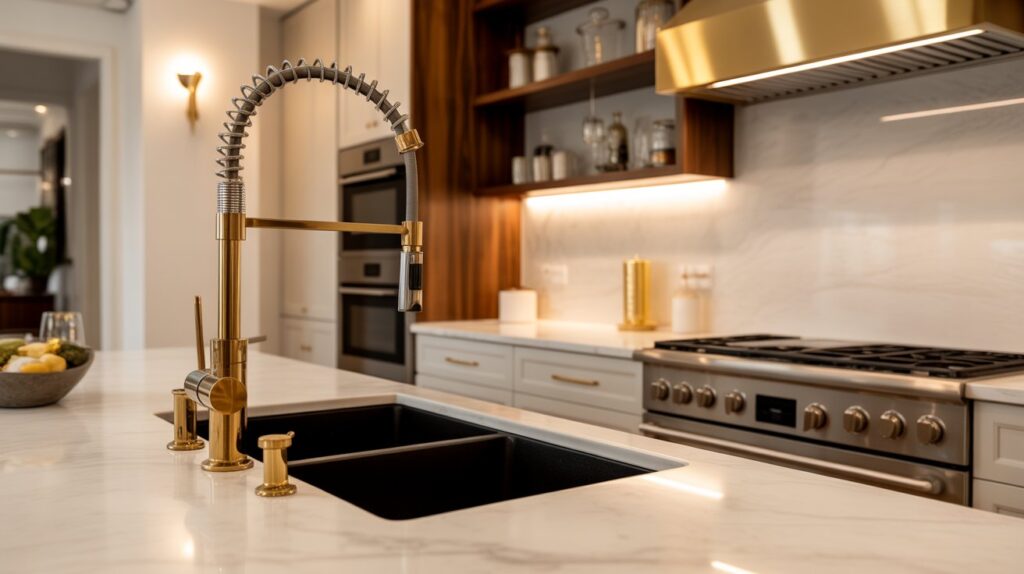
When exploring various types of kitchen faucets, the double-handle kitchen faucet stands out as a classic and elegant choice. It features two separate handles—one for hot water and one for cold—giving users precise control over temperature and water flow. This traditional setup has remained popular for decades due to its timeless design and reliability.
Among all types of kitchen faucets, the double-handle model is best suited for kitchens that value both style and function. It offers better temperature adjustment, making it easier to achieve the perfect water mix for washing dishes or cooking. The symmetrical design adds balance to your sink area and enhances the overall aesthetic of farmhouse, vintage, or transitional kitchens.
Another benefit of the double-handle faucet is durability. Since each handle has its own internal valve, the faucet often lasts longer and is easier to repair compared to single-handle versions. If one side develops a leak, you can fix it without replacing the entire unit. Additionally, many homeowners appreciate the tactile control of separate handles—it feels traditional yet dependable.
However, there are a few installation considerations. Because the double-handle kitchen faucet requires multiple holes in the sink or countertop, it may not fit well in minimalist or compact setups. Cleaning around the base can also take a bit more effort.
Despite these minor drawbacks, the double-handle remains one of the most popular types of kitchen faucets for homeowners who appreciate a blend of tradition, precision, and timeless charm. Whether you prefer a polished chrome or brushed nickel finish, this faucet type adds character and a touch of sophistication to any kitchen.
6. Touchless (Motion Sensor) Kitchen Faucets
In today’s modern homes, technology is transforming even the most basic kitchen tools — and one of the smartest types of kitchen faucets available is the touchless kitchen faucet. Also known as a motion sensor faucet, this design allows you to control water flow without physically touching the handle. A simple wave of your hand or motion in front of the sensor activates the water, providing unmatched convenience and hygiene.
Among all types of kitchen faucets, the touchless version is the best for maintaining cleanliness. Because it operates hands-free, you can easily rinse vegetables, wash dishes, or clean your hands without spreading germs or food residue onto the faucet handle. This makes it especially popular for families, home chefs, and anyone who values a more sanitary kitchen environment.
The touchless kitchen faucet typically runs on batteries or electricity and features a built-in motion sensor near the spout base. Most models include both manual and automatic modes, allowing you to switch between traditional and touchless operation when needed. Advanced versions even come with temperature memory settings, LED indicators, and water-saving technology — adding luxury and efficiency to your kitchen.
Installation is straightforward, although it may require access to a power source or batteries. Maintenance is minimal, but regular cleaning of the sensor ensures consistent performance.
When compared to other types of kitchen faucets, the touchless faucet stands out for its innovation, water efficiency, and sleek design. It not only enhances your kitchen’s functionality but also gives it a high-end, futuristic appeal — making it one of the best upgrades for a modern home.
7. Commercial-Style Kitchen Faucets
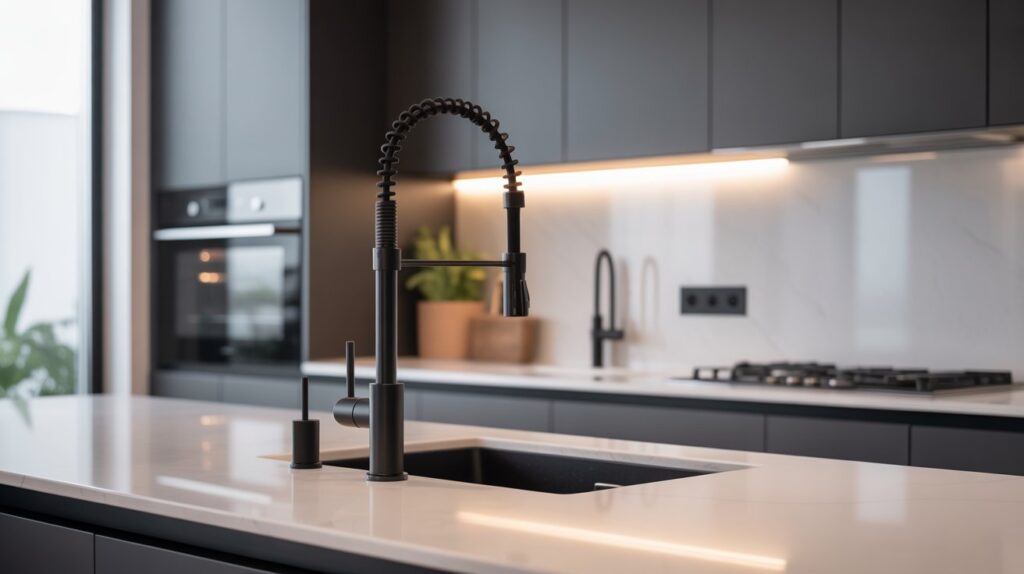
Among all modern types of kitchen faucets, the commercial-style kitchen faucet stands out for its bold design and professional-level performance. Inspired by faucets used in restaurant kitchens, this type offers high water pressure, extended reach, and industrial durability — all while adding a stylish statement to your home.
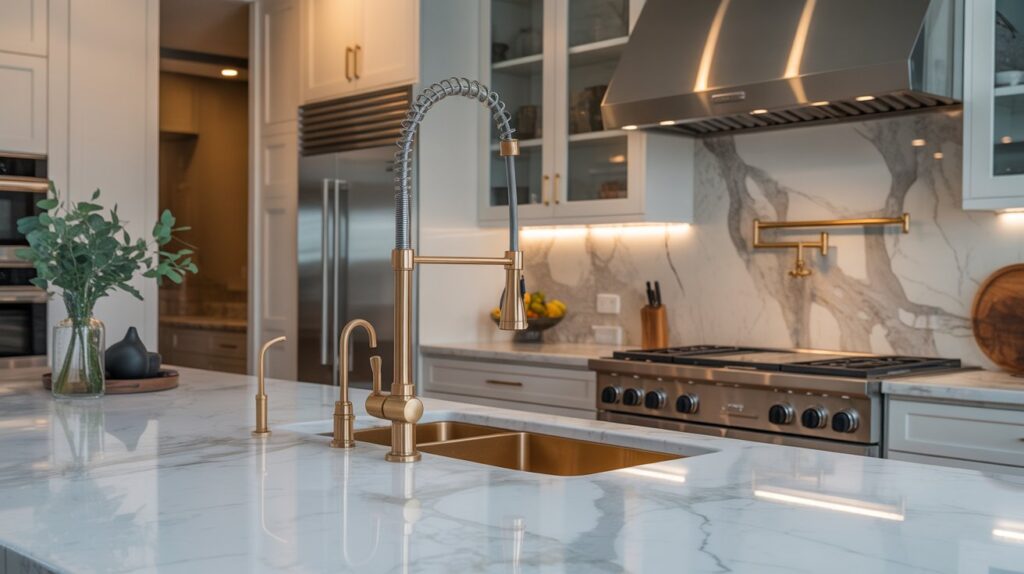
A commercial-style kitchen faucet typically features a tall, flexible spring coil spout with a pull-down spray head that can easily maneuver around large pots, pans, and deep sinks. This makes it ideal for avid home cooks or large families who need maximum functionality from their kitchen setup. Compared to other types of kitchen faucets, the commercial-style design provides exceptional water flow and coverage, making dishwashing and cleaning faster and more efficient.
These faucets are often built from high-quality materials like stainless steel or brass to withstand daily wear and tear. Many models also include dual-function spray modes, allowing users to switch between a steady stream and a powerful rinse. The heavy-duty appearance brings a professional aesthetic to the kitchen, blending perfectly with modern, industrial, or minimalist interiors.
Despite its benefits, homeowners should consider the faucet’s height before installation — commercial-style faucets can be tall and may not fit under low cabinets. They may also use slightly more water pressure than standard models, so water efficiency should be checked if you’re eco-conscious.
Still, when comparing different types of kitchen faucets, this design offers unmatched strength, reach, and visual appeal. The commercial-style kitchen faucet combines function, durability, and modern elegance — making it a perfect choice for anyone who wants a professional-grade touch in their home kitchen.
8. Wall-Mounted Kitchen Faucets
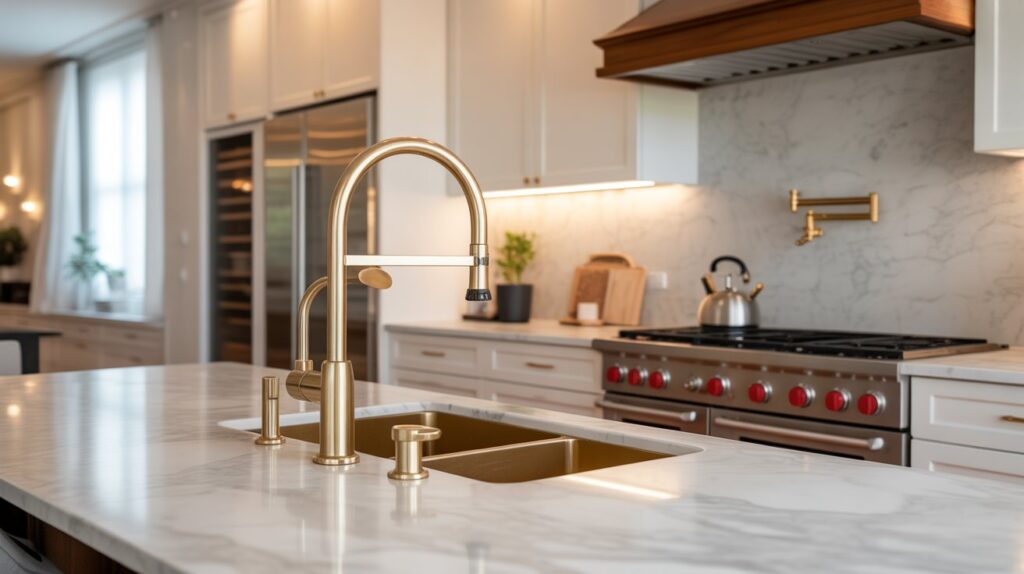
Among the many types of kitchen faucets, the wall-mounted kitchen faucet offers a unique and space-saving design that instantly adds character to any kitchen. Unlike traditional faucets that are installed on the sink or countertop, wall-mounted faucets are fixed directly to the wall above the sink. This design not only saves counter space but also gives your kitchen a clean, uncluttered look.
The wall-mounted kitchen faucet is particularly popular in modern and farmhouse-style kitchens because of its sleek and timeless appearance. It’s also practical for deep sinks, as the elevated spout provides more room for washing large pots and dishes. Compared to other types of kitchen faucets, this one is known for its minimalist appeal and flexibility in height placement — you can install it higher or lower depending on your sink depth and preference.
Another key advantage of wall-mounted faucets is ease of cleaning. Since there’s no base or hardware on the countertop, wiping down the sink area becomes effortless. The setup also prevents water buildup around the faucet base, reducing the risk of mold or grime.
However, installation requires some plumbing work since the water lines need to be inside the wall. This makes it a better choice for new kitchen builds or major remodels rather than quick replacements. Maintenance is straightforward once installed, and the faucet itself is typically very durable.
Overall, among the different types of kitchen faucets, the wall-mounted faucet stands out for its combination of elegance, practicality, and modern appeal. It’s perfect for homeowners who want to maximize counter space while achieving a sophisticated and distinctive kitchen design.
9. Pot Filler Faucets
Among the most luxurious and convenient types of kitchen faucets, the pot filler faucet is a favorite addition for serious home chefs and cooking enthusiasts. Installed near the stove rather than the sink, this faucet allows you to fill large pots and pans directly on the cooktop — eliminating the need to carry heavy, water-filled cookware across the kitchen.
The pot filler faucet usually features a long, foldable arm that extends over the stove and retracts neatly against the wall when not in use. This design saves time, reduces strain, and adds a professional touch to your cooking space. Among all types of kitchen faucets, this one is all about efficiency and ease during meal prep.
Most pot filler faucets are made from durable materials like stainless steel or brass to handle high temperatures and constant use. They typically connect to a cold-water supply and can swivel side-to-side for maximum reach. The minimalist design blends beautifully with both modern and traditional kitchens, making it a stylish yet practical upgrade.
While pot fillers are not essential in every home, they do offer undeniable luxury and functionality. Installation can be more complex since it requires a dedicated water line behind the stove, but the convenience they bring often justifies the effort.
In comparison to other types of kitchen faucets, pot filler faucets stand out for their specialized purpose — offering pure practicality for avid cooks who love convenience and style in one fixture. They not only enhance your cooking experience but also add a touch of elegance that elevates your entire kitchen design.
10. Bridge Kitchen Faucets
Among the most elegant and timeless types of kitchen faucets, the bridge kitchen faucet combines traditional craftsmanship with a touch of vintage charm. Named after its unique “bridge” design, this faucet connects the hot and cold water handles through an exposed horizontal bar before the water reaches the spout. The result is a visually striking fixture that serves as both a functional tool and a decorative centerpiece for your kitchen.
The bridge kitchen faucet is often seen in farmhouse, cottage, and classic-style kitchens, where its old-world look perfectly complements rustic sinks and traditional cabinetry. However, modern variations now feature sleek finishes and minimalist detailing, allowing this classic design to fit beautifully into contemporary kitchens as well. Among all types of kitchen faucets, it offers one of the most balanced blends of vintage beauty and modern reliability.
These faucets typically include two handles for precise temperature control and a high-arc spout for ample clearance when washing large pots or dishes. Many models also come with a side sprayer for added flexibility. The exposed metal bridge gives the faucet a handcrafted appearance that instantly elevates the style of any kitchen.
While the bridge faucet requires a bit more space and may need multiple installation holes, its durability and unique aesthetic make it worth the effort. Built from premium materials like brass or stainless steel, it’s designed to last for years while maintaining its luxurious appeal.
Overall, among all types of kitchen faucets, the bridge kitchen faucet stands out as a timeless favorite that adds character, functionality, and sophistication. It’s the perfect choice for homeowners who want a statement piece that combines traditional design with reliable everyday performance.
11. Filtered (Water Purifier) Kitchen Faucets
Among the most health-focused types of kitchen faucets, the filtered kitchen faucet is an excellent choice for homeowners who prioritize clean and safe drinking water. This faucet type comes with a built-in filtration system that removes impurities such as chlorine, lead, and bacteria from tap water, giving you fresh and better-tasting water straight from the sink.
Unlike traditional types of kitchen faucets, which simply deliver water, the filtered faucet combines convenience with health benefits. It eliminates the need for separate countertop filters or bottled water, saving both space and money in the long run. The system typically includes a replaceable filter cartridge that needs periodic changing, ensuring consistent water purity and performance.
The filtered kitchen faucet comes in various designs — from dual-handle models that separate filtered and unfiltered water to single-handle versions with a built-in filter switch. Many modern versions also use advanced multi-stage filtration technology that can reduce heavy metals, chemicals, and microplastics while preserving essential minerals.
Aesthetically, these faucets are sleek and elegant, often available in finishes like chrome, matte black, or brushed nickel to match other fixtures. Installation is relatively straightforward, and maintenance mainly involves changing the filter every few months based on usage.
Compared to other types of kitchen faucets, the filtered option offers unmatched value for health-conscious households. It not only enhances your kitchen’s functionality but also contributes to a more sustainable lifestyle by reducing plastic bottle waste.
In short, the filtered kitchen faucet is one of the smartest and most beneficial types of kitchen faucets you can invest in — combining modern design, eco-friendliness, and the peace of mind that comes with knowing your family is drinking cleaner, safer water.
12. How to Choose the Right Type for Your Kitchen
With so many types of kitchen faucets available today, choosing the right one can seem overwhelming. The best faucet for your kitchen depends on several factors — including your sink size, kitchen style, daily usage, and personal preferences. Understanding these points will help you make an informed decision that balances both function and aesthetics.
First, consider your kitchen layout and sink design. If you have a deep or wide sink, a pull-down or commercial-style faucet might be ideal for better reach and control. For smaller sinks or compact spaces, pull-out or single-handle faucets work perfectly due to their flexibility and ease of use. Homeowners with low cabinets may prefer wall-mounted faucets, which save valuable counter space while maintaining a sleek, open look.
Next, think about functionality and features. Modern types of kitchen faucets offer advanced options like touchless sensors, built-in filtration systems, and multi-spray settings. If hygiene and convenience are your priorities, a touchless faucet is a great choice. For those who value clean water, filtered faucets provide a health-conscious and eco-friendly solution.
Style and finish also play a major role. Stainless steel, brushed nickel, and matte black are versatile options that fit both classic and modern kitchens. Meanwhile, bridge and double-handle faucets bring a traditional charm that pairs beautifully with farmhouse or vintage interiors.
Finally, consider installation and maintenance. Some types of kitchen faucets, like wall-mounted or pot filler models, require additional plumbing adjustments. Always ensure your chosen faucet matches your sink’s hole configuration and water line setup.
By carefully balancing these factors — design, function, and practicality — you’ll easily find the perfect match among the many types of kitchen faucets. The right faucet not only enhances your kitchen’s beauty but also improves your everyday cooking and cleaning experience.
13. FAQs About Types of Kitchen Faucets
1. What are the most common types of kitchen faucets?
The most common types of kitchen faucets include pull-down, pull-out, single-handle, double-handle, touchless, wall-mounted, and commercial-style faucets. Each type offers unique benefits in terms of design, function, and convenience. For example, pull-down faucets are ideal for deep sinks, while touchless models offer hands-free operation for better hygiene.
2. Which type of kitchen faucet is best for small kitchens?
For smaller kitchens, the pull-out or single-handle faucet is often the best choice. These types of kitchen faucets save space, offer flexible hose movement, and are easy to install. They also provide efficient control of water temperature and flow without cluttering your sink area.
3. How do touchless kitchen faucets work?
Touchless or motion-sensor faucets are one of the most innovative types of kitchen faucets. They use infrared sensors to detect hand movement. When you wave your hand near the sensor, the faucet automatically turns the water on or off. This not only makes kitchen tasks more convenient but also helps maintain better cleanliness and saves water.
4. What’s the difference between pull-down and pull-out kitchen faucets?
While both types of kitchen faucets have extendable spray heads, the difference lies in their direction and design. Pull-down faucets extend directly downward, making them perfect for deep sinks. Pull-out faucets, on the other hand, extend outward toward you and offer better flexibility in smaller spaces.
5. Which kitchen faucet type lasts the longest?
Durability depends on the material and build quality, but stainless steel and brass faucets typically last the longest. Among various types of kitchen faucets, commercial-style and bridge faucets are known for their sturdy construction and long lifespan. Regular maintenance and cleaning can also help any faucet last for many years.
6. Can I install different types of kitchen faucets myself?
Yes, many types of kitchen faucets come with DIY-friendly installation kits and instructions. Single-handle, pull-out, and pull-down faucets are relatively easy to install. However, wall-mounted or pot filler faucets may require professional plumbing work, especially if additional water lines are needed.
7. What is the most stylish type of kitchen faucet for modern homes?
For modern kitchens, touchless, commercial-style, and matte black pull-down faucets are currently the most stylish options. These types of kitchen faucets combine high-end aesthetics with advanced functionality, giving your kitchen a sleek, contemporary look.
8. How often should I replace my kitchen faucet?
Most types of kitchen faucets last between 10 to 20 years, depending on usage and maintenance. If your faucet starts leaking, losing pressure, or showing visible corrosion, it may be time for a replacement. Choosing a durable model made from stainless steel or solid brass ensures long-term performance.
Conclusion
Choosing the right faucet can completely transform your kitchen — both in function and style. With so many types of kitchen faucets available today, from sleek pull-down models to high-tech touchless options, homeowners have endless possibilities to enhance their kitchen experience. Each faucet type serves a different purpose, catering to various kitchen layouts, styles, and user preferences.
When deciding among the different types of kitchen faucets, it’s essential to consider factors like sink size, installation style, water efficiency, and overall design. A pull-down faucet might be perfect for deep sinks and heavy use, while a single-handle or wall-mounted faucet suits compact kitchens with limited space. For those who value modern convenience, touchless and commercial-style faucets offer both innovation and durability.
Ultimately, the best choice comes down to what complements your kitchen’s workflow and aesthetic. Investing in the right faucet not only improves day-to-day functionality but also adds long-term value to your home. By understanding the unique features and benefits of various types of kitchen faucets, you can confidently select one that fits your needs and enhances your kitchen’s beauty for years to come.